
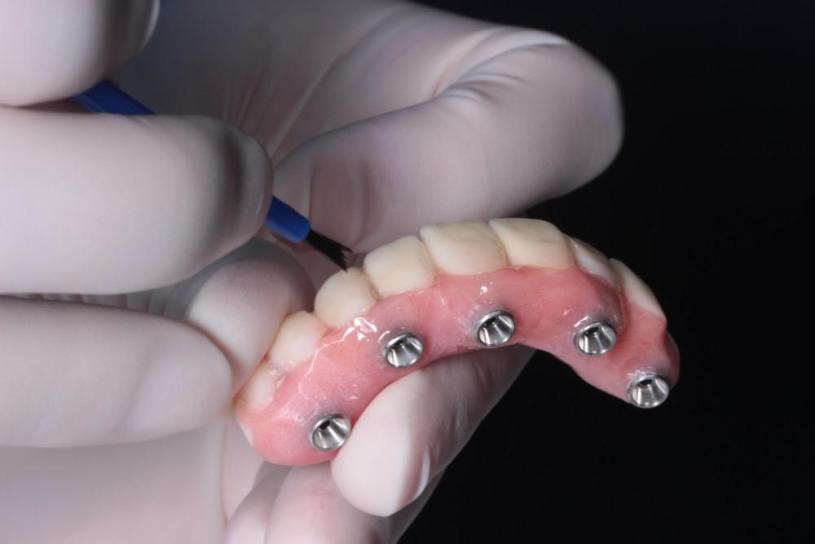
Tooth loss is a common dental problem in the United States; it is prevalent in older adults but can affect anyone regardless of age. You may lose one or several teeth due to tooth decay, periodontitis, or injury. Tooth loss alters your appearance and affects your pronunciation of certain words. It also limits the foods you can eat, presenting another nutrition challenge. For many years, removable dentures were the only remedy for tooth loss. But today, your dental implant specialist Sunnyvale, CA, offers a better alternative – dental implants.
What are dental implants?
Dental implants are replacement tooth roots made from titanium or zirconia. They offer a stable and strong foundation for permanent or removable replacement teeth such as crowns. Over time, implants fuse with your jawbone so they can’t slip or produce noises when you chew. Placing dental implants requires surgery, so they may not be an option for everyone. For this reason, initial consultation with your oral health provider is crucial if you consider dental implants.
Who is a good candidate for dental implants?
Most of the time, an individual healthy enough to undergo dental surgery or routine dental extraction can be considered for dental implants. However, eligible candidates have healthy gums and adequate bone to support the implant. Therefore, if you have gum disease, you will need treatment before getting implants. Thanks to procedures like bone grafting, individuals with little bone mass can benefit from dental implants.
Your bone should also have reached total growth to get implants; thus, children are not eligible for dental implants. Dental implant placement in children may impede jaw growth and prevent other teeth from erupting naturally. Getting implants requires regular dental visits, which take several months. For this reason, a good candidate should be willing to commit to the lengthy treatment duration. Because dental implants require surgery, your healthcare provider may caution against implants if you have any condition that impedes healing. For example, chronic smokers and people with uncontrolled diabetes or heart disease are not eligible for implants. If you have had radiation therapy to the head or neck, your specialist will need to evaluate you individually.
What are the risks of dental implants?
Dental implant surgery poses several health risks like any surgical procedure. It is rare for problems to occur, but when they do, they are minor and treatable.
Examples of dental implant surgery complications include:
- Infection. Because surgery involves puncturing the skin, bacteria may enter your gums and bones, causing an infection. Inform your dentist if you experience pain or notice swelling and fluid oozing from the incision site. Keeping the incisions clean as you heal is vital in preventing an infection. After surgery, your dentist will give you guidelines on keeping incisions clean.
- Injury to nearby structures like blood vessels and other teeth.
- Sinus damage. If you need an implant in your upper jaw, there is a risk of the implants protruding into one of your sinus cavities. Sinus damage causes discomfort and may lead to an infection.
- Nerve damage. Some nerves can get damaged during surgery; the effects may be temporary or lasting.
If you are unable or unwilling to wear dentures, consult your oral surgeon at Perio & Implant Centers of Monterey Bay – Silicon Valley to establish if dental implants are an option.

