
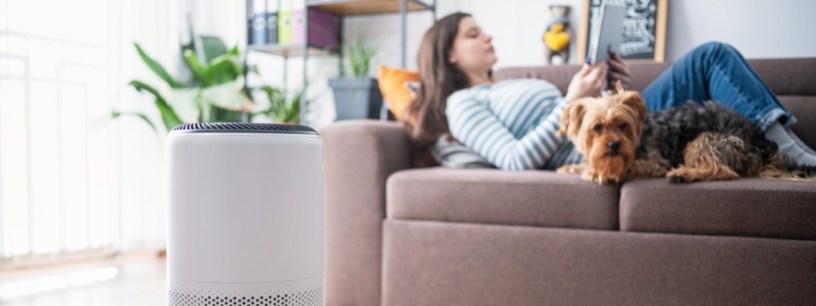
Most of us spend the bulk of our time indoors, and that’s exactly where pollutants tend to build up—quietly, from everyday sources like cooking, cleaning products, combustion appliances, dust, and excess moisture. An air purifier is sometimes floated as a way to cut down on airborne particles, but filtration really works best as one part of a broader strategy rather than a standalone fix. The same goes for managing indoor humidity: adding moisture without first checking conditions—say, running a humidifier just because the air feels dry—can sometimes create new problems instead of solving old ones. Both of these product categories are mentioned here simply as examples; whether either makes sense for your home depends entirely on your specific circumstances. In practice, improving indoor air quality usually means combining source control, ventilation, moisture management, and filtration, rather than leaning on a single device or quick fix.
Identify the Main Sources of Indoor Air Pollution
Indoor air pollutants tend to fall into a few overlapping categories. Particulate matter comes from cooking, candles, fireplaces, tobacco smoke, and outdoor pollution that drifts in through doors, windows, and ventilation systems. Volatile organic compounds, or VOCs, off-gas from paints, new furniture, solvents, fragranced products, and plenty of cleaning supplies. Biological contaminants—mold spores, dust mites, pet allergens—round out the list, along with combustion-related pollutants like carbon monoxide and nitrogen dioxide, which can originate from fuel-burning appliances that aren’t vented properly.
A few warning signs are worth paying attention to: persistent musty odors, visible mold or water staining, condensation on windows, excessive dust, recurring dampness, or irritation that eases once you leave a building. None of these symptoms, on their own, can pinpoint an exact cause—too many issues share similar signs. That said, any suspected carbon monoxide exposure, gas leak, or significant water damage deserves immediate attention, no exceptions.
Picture a kitchen with a weak exhaust fan. Cooking odors hang around for hours, moisture from a boiling pot fogs up the nearby window, and over time a faint musty smell creeps in. This one scenario shows how poor ventilation, excess humidity, and particulate buildup tend to feed off each other—which is exactly why a lasting fix usually means addressing more than one factor at once.
Start With Source Control
Cutting off pollutants at the source is often the most effective first move, since it stops contaminants from ever entering the indoor air. In practice, that might mean choosing lower-emission products where possible, following label directions on cleaning chemicals, storing solvents and fuels safely, skipping indoor smoking, fixing leaks promptly, and keeping up with regular dusting and pet-dander cleanup. Fragrance-heavy products and aerosol sprays can add emissions some households simply don’t need, especially if anyone in the home is sensitive to VOCs.
Local exhaust ventilation matters here too. Kitchen and bathroom fans that vent outdoors—rather than just recirculating air—pull pollutants out at the source, both during and after cooking or bathing. Recirculating fans might cut down on some odors, but they don’t remove pollutants the same way. Sticking to manufacturer maintenance guidance keeps these systems doing their job over time.
It’s worth drawing a clear line between removing a source entirely, capturing emissions locally through exhaust fans, and diluting pollutants through general ventilation. Each tackles a different piece of the puzzle.
Improve Ventilation Safely
Ventilation works by bringing in outdoor air that dilutes or carries away indoor pollutants. Opening windows and doors—when weather, security, and outdoor air quality cooperate—is about as simple a starting point as it gets. Mechanical ventilation systems should be run according to manufacturer or building-maintenance instructions. But ventilation isn’t automatically a good idea in every situation: during wildfire smoke events, heavy traffic pollution, or extreme humidity, increasing outdoor air exchange can actually make things worse. Regularly inspecting HVAC systems, intakes, and exhaust vents helps keep performance consistent. And it’s worth remembering that ventilation alone can’t fix an active moisture leak or eliminate a stubborn pollutant source.
Manage Indoor Humidity and Moisture
Too much moisture in the air leads to condensation, mold growth, and conditions that let dust mites thrive. A relative humidity somewhere between 30% and 50% is the commonly recommended range for homes, though the ideal target shifts depending on climate and building conditions. Rather than guessing based on how the air “feels,” an inexpensive hygrometer gives you an actual reading to work from.
Preventing moisture problems comes down to a handful of habits: running the bathroom exhaust during and after showers, using vented exhaust while cooking, drying out wet materials quickly, fixing plumbing or roof leaks, and improving airflow around any damp spots. Measuring humidity before adding moisture really is essential—over-humidifying can make condensation and microbial growth worse rather than improving comfort. If dampness or mold is extensive or just won’t go away, that’s generally a job for qualified remediation professionals, not a weekend DIY project.
Use Filtration as a Complementary Measure
Portable or HVAC filtration can reduce certain airborne particles, but it won’t touch gases, odors, or pollutants at their source. Picking the right unit means weighing room size, filter efficiency, noise level, replacement-filter costs, and placement that allows for unobstructed airflow. Filters only do what they’re supposed to when they’re maintained and swapped out on schedule. It’s also worth knowing the difference between particle filtration and technologies marketed for gases or odors, since they’re built to handle different kinds of pollutants. Filtration is a supplement, not a substitute, for ventilation, source control, or addressing combustion hazards and water damage.
Create a Simple Indoor-Air-Quality Routine
Working through these steps in order makes it much easier to see what’s actually moving the needle:
- Inspect for leaks, mold, condensation, and blocked vents.
- Measure relative humidity and test for suspected pollutants where it makes sense.
- Control sources by cutting emissions at their origin.
- Ventilate with outdoor air whenever conditions allow.
- Filter if airborne particles are still a concern after everything else.
- Maintain by cleaning surfaces and replacing filters on a regular schedule.
Key takeaway: The most effective approach blends source control, safe ventilation, moisture management, and properly maintained filtration—and changing one variable at a time makes it far easier to tell what’s actually working.
When to Seek Professional Help
Some situations genuinely call for outside expertise: suspected carbon monoxide exposure, mold that’s extensive or keeps coming back, persistent water intrusion, unexplained chemical odors, or symptoms showing up across multiple occupants. Licensed HVAC specialists, mold-remediation professionals, or public-health agencies can offer guidance tailored to the specific problem. Any testing should be guided by a clear question in mind, not done at random—and a single reading from an unvalidated kit shouldn’t be treated as the final word.
Practical Examples: Applying the Framework at Home
A dry bedroom calls for measuring humidity first, rather than assuming more moisture is automatically needed. A kitchen with lingering smoke benefits from outdoor-vented exhaust paired with fewer high-emission cooking habits. A musty basement deserves an investigation into water intrusion before anyone reaches for an air-cleaning device. And during poor outdoor air conditions, temporarily limiting air exchange and following local guidance should take priority over everything else.
A Healthier Indoor Environment Starts With Diagnosis
Indoor-air improvement tends to work best when the likely pollutant or building issue is identified first. Prioritizing source control, safe ventilation, moisture management, and targeted filtration—in roughly that order—tends to deliver more lasting results than any single product ever could. A good place to start: inspect one room, measure its humidity, check the exhaust ventilation, and address the most obvious source before even thinking about additional equipment.

