
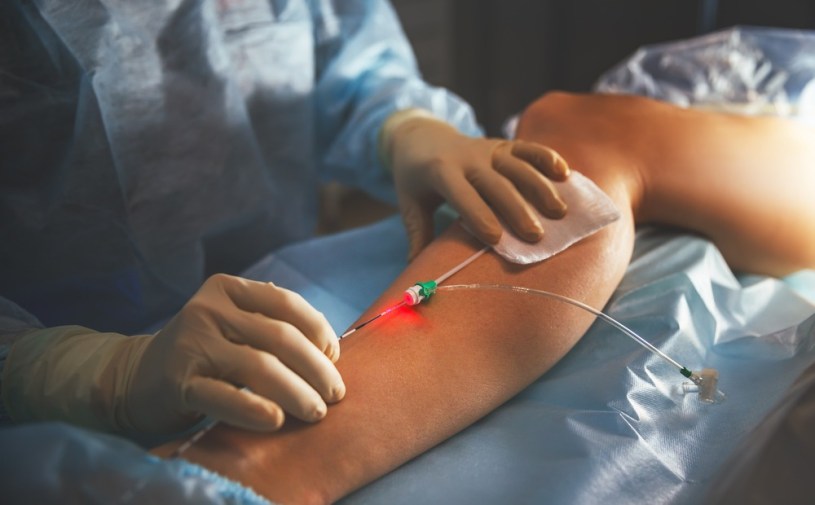
Varicose veins are twisted, enlarged, and swollen veins that appear bluish, purplish, or red. They are larger than spider veins and commonly affect the legs. Your veins have valves that prevent blood from flowing backward from the heart. When these valves become weak or damaged, blood flows in both directions and pools in the veins forming varicoses. In some cases, varicose veins New York can cause discomfort, pain, and swelling. They can lead to severe complications like Deep Vein Thrombosis if left untreated. Varicose veins have many treatment options, which include:
Compression stockings or socks
Compression stockings or socks exact pressure on your varicose veins to help improve blood circulation. They are commonly used on lower legs, often tight around the ankles and loose up the leg. Compression socks reduce discomfort, pain, and swelling. They may turn your skin dry and flaky; if it happens, consult your doctor. You can purchase compression stockings in medical facilities or pharmacies.
Transilluminated powered phlebectomy
Transilluminated powered phlebectomy involves local or general anesthesia. Your doctor will make an incision under your skin around the affected site. The doctor will insert an endoscopic transilluminator, a special light to see the damaged veins. The veins will be cut and removed with a suction device. Mild bleeding and bruising can happen after the procedure, but your healthcare provider will help you manage these effects.
Endovenous laser treatment
Endovenous laser treatment involves local anesthesia. Your doctor inserts a catheter into the affected vein, threads a small laser, and places it on the target vein. This catheter will convey short energy that heats and bursts the damaged vein, sealing it shut. An ultrasound aids your specialist moves the laser through the affected vein to burn and close all of it. Your body naturally absorbs the burnt veins.
Radiofrequency ablation
Doctors mainly use radiofrequency ablation in large veins. The treatment is done under local anesthesia. Using ultrasound, your doctor makes a small incision around your knee. The doctor inserts a catheter carefully into the damaged vein. The physician then inserts a probe into the catheter emitting radiofrequency energy in the vein causing its walls to collapse, close, and seal.
Sclerotherapy
Sclerotherapy is commonly used in small and medium varicose veins. Your doctor injects a specific chemical into the affected veins that scar and closes them. Sclerotherapy treatment reduces inflammation and promotes vein shrinking. The veins gradually vanish within a few weeks. Sometimes, you may need several sclerotherapy sessions to finish your varicose veins.
Surgery
Surgery is necessary for large varicose veins and is performed under general anesthesia. Your surgeon completely removes the damaged veins for effective healing. You can go home the same day you have your surgery. You may spend a night in your medical facility if the procedure involves both legs. Your doctor will recommend you rest for some days before you resume regular duties.
However, you can prevent varicose veins by avoiding standing or sitting in one position for an extended period and exercising to improve blood circulation. Schedule an appointment at Upper East Side Cardiology for varicose treatment to relieve your discomfort.
 Tips & advice for living healthiest life