
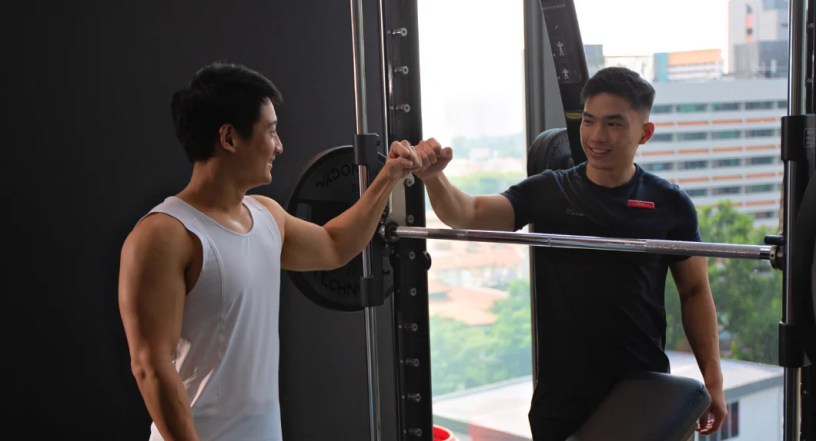
Midlife brings a unique set of physical changes that many women notice gradually and quietly. Strength levels dip, joints feel stiffer in the morning, energy levels fluctuate and daily movement starts to feel heavier even when body weight has not changed. These shifts are natural, but they become harder to manage without strategic training. Many women in their 40s and 50s want to stay active, confident and independent, yet do not know where to begin or how to maintain results consistently. Working with a specialised personal fitness trainer singapore helps midlife women build bone strength, improve joint stability and regain sustainable daily energy without using extreme workouts.
This age group often deals with competing responsibilities such as career demands, caregiving roles, social commitments and irregular schedules. As the body changes, the training approach must adapt with precision. Generic online workouts may provide variety but do not address deeper concerns such as bone density loss, muscle decline, hormonal fluctuations or joint sensitivity. A personalised programme gives midlife women the structure and confidence needed to train safely and effectively.
Why Midlife Training Needs a Different Approach
The midlife phase brings physiological changes that influence how the body responds to exercise. These include:
- Decline in muscle mass
- Reduced bone density
- Slower recovery time
- Changes in connective tissue elasticity
- Increased joint sensitivity
- Shift in metabolism
A tailored programme helps women maintain strength and stability while reducing the risk of injuries. This keeps daily activities such as climbing stairs, carrying groceries, or caring for family members safe and comfortable.
Understanding Bone Density Needs in Midlife
Bone density naturally decreases with age. For women, this decline accelerates around the midlife stage. Strength training becomes one of the most effective tools for slowing or reversing bone loss.
A specialised trainer focuses on weight bearing exercises that create the right amount of stress on the bones to stimulate growth. These movements include:
- Squats
- Deadlifts
- Step ups
- Loaded carries
- Resistance based upper body exercises
Trainers ensure that these exercises are performed with proper technique to avoid unnecessary joint strain.
Training for Joint Health and Stability
Weak surrounding muscles often cause joint discomfort. When joints are not supported by strong tissues, simple activities can lead to stiffness or pain. A focused training plan aims to strengthen the muscles around the knees, hips, shoulders and lower back.
Key joint stability strategies include:
- Glute activation for hip and knee support
- Core stabilisation for lower back comfort
- Rotator cuff strengthening for shoulder joint protection
- Mobility sessions to maintain healthy movement range
- Controlled tempo drills to reinforce joint safety
A personal training programme that combines strength, mobility and stability leads to smoother, more confident movement.
Why Sustainable Energy Matters More Than Intensity
Midlife women often experience fluctuating energy levels. These can be influenced by sleep quality, stress, nutrition, and lifestyle demands. High intensity workouts may lead to exhaustion rather than progress. A specialised trainer structures sessions that build energy rather than deplete it.
This includes:
- Strength focused sessions that improve daily stamina
- Low impact cardio for heart health
- Breathing drills for stress management
- Smart recovery strategies such as stretching and mobility
- Periodised training that matches monthly energy cycles
This approach prevents burnout and keeps the client consistent over the long term.
How Personal Trainers Customise Midlife Programmes
A customised programme begins with a detailed assessment. Trainers gather information on:
- Current fitness level
- Injury history
- Joint sensitivity
- Work schedule
- Sleep quality
- Daily movement habits
- Goals related to strength, posture or weight
This assessment helps create a structured path tailored to each woman’s lifestyle.
Phase 1: Restoring Movement Confidence
This phase focuses on improving mobility and re establishing natural movement patterns. Women who feel stiff or hesitant benefit from simple but targeted drills that restore ease of movement.
Phase 2: Building Foundational Strength
Trainers introduce resistance work that builds muscle support around joints. Controlled weight training forms the base of this phase.
Phase 3: Progressive Strength and Conditioning
Once the foundation is set, trainers incorporate more challenging movements that improve power, balance and endurance.
Addressing Common Midlife Challenges Through Training
1. Morning Stiffness
A structured programme improves joint lubrication and flexibility, reducing stiffness after waking.
2. Energy Slumps During the Day
Strength based routines and better breathing patterns help stabilise energy across the entire day.
3. Poor Sleep Quality
Gentle mobility work and consistent training support deeper, more restorative sleep.
4. Reduced Confidence in Movement
Many women avoid certain exercises for fear of injury. Guided sessions rebuild confidence through safe progression.
5. Weight Changes
Even without focusing on weight loss, increased muscle mass naturally improves metabolic function.
Real Life Scenarios from Midlife Clients
Case 1: The Corporate Manager with Hip Pain
She experienced discomfort when climbing stairs. After six weeks of targeted glute strengthening, her pain reduced significantly.
Case 2: The Homemaker Feeling Chronic Fatigue
By integrating strength training with simple movement breaks, she regained daily energy and improved sleep quality.
Case 3: The Entrepreneur Wanting Stronger Bones
A personalised strength plan with progressive loading helped her regain bone density and feel more stable during daily tasks.
The Importance of Breathing Mechanics for Midlife Women
Many midlife women unknowingly rely on shallow chest breathing. This limits oxygen intake, increases stress and contributes to neck tension. Trainers help clients learn diaphragmatic breathing to improve stability and relaxation.
Breathing training supports:
- Better core activation
- Improved posture
- Lower stress levels
- Enhanced energy flow
This is especially beneficial for clients managing lifestyle pressure and emotional fatigue.
Why Resistance Training is the Key Element for Midlife Health
Resistance training offers unmatched benefits for midlife women. It influences nearly every aspect of long term wellness including:
- Muscle preservation
- Bone health
- Joint support
- Metabolism
- Functional strength
- Balance and fall prevention
These improvements lead to a more confident and active lifestyle.
How Structured Gym Environments Support Midlife Training
A well equipped gym offers equipment, guidance and a comfortable environment that supports long term consistency. Many midlife women choose to train with professional guidance at True Fitness Singapore because the supportive setting helps them stay motivated, consistent and confident.
Benefits Women Experience After Several Months of Structured Training
Women who train consistently often report:
- Stronger joints
- Better sleep
- Improved balance
- More stable mood
- Higher self confidence
- Reduced pain during daily activities
- Better posture and mobility
- Renewed energy
These improvements shape how women feel in their bodies, at work and in their relationships.
How Trainers Keep Midlife Clients Motivated
Motivation can fluctuate during midlife. Personal trainers create sustainable routines by using:
- Clear weekly goals
- Regular check ins
- Visible progress tracking
- Encouraging communication
- Adjustable training plans
- Empowering education on movement and health
This helps clients stay committed even during demanding periods.
FAQs
Is strength training safe for women with joint pain?
Yes, when guided properly. Strengthening the surrounding muscles often reduces joint pain significantly.
How often should midlife women train for best results?
Most clients benefit from two to three structured sessions weekly combined with daily light movement.
Can strength training help with bone density?
Yes. Weight bearing and resistance exercises are among the most effective methods for improving bone density.
Will I feel too tired after sessions?
Sessions are designed to build energy, not drain it. Proper programming improves stamina and reduces fatigue over time.
Do I need prior gym experience?
Not at all. Trainers create personalised programmes that match each woman’s comfort and ability level.
 Tips & advice for living healthiest life