
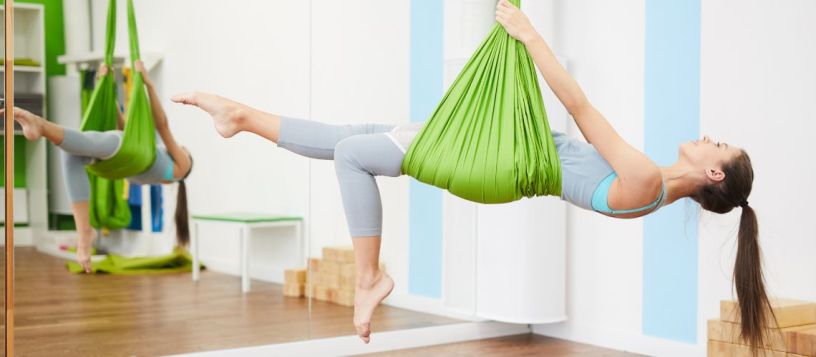
Poor posture has quietly become one of the most common health concerns in Singapore’s modern work culture. Hours spent at desks, on laptops, and scrolling through phones have led to widespread issues like rounded shoulders, back pain, and neck stiffness. While traditional yoga helps address posture problems, aerial yoga takes it to another level through suspension, alignment, and spinal decompression. The practice combines the grace of movement with the precision of posture correction, creating a powerful tool for healing and long-term body awareness.
Understanding How Poor Posture Develops
Posture deterioration doesn’t happen overnight. It’s a slow process caused by repetitive habits, such as leaning toward screens, crossing legs for long hours, or hunching while standing. Over time, these behaviours create muscular imbalances where some muscles tighten while others weaken. For instance, tight chest muscles and weak back muscles pull the shoulders forward, creating a hunched upper body.
These misalignments lead to a chain reaction of discomfort:
-
Chronic neck pain and stiffness
-
Shoulder and upper back tension
-
Lower back pain due to uneven pressure on the spine
-
Headaches from restricted blood flow
Correcting posture requires more than stretching. It demands re-education of the muscles and joints. This is where aerial yoga offers a unique advantage through its three-dimensional movement and supportive suspension.
Why Aerial Yoga is Effective for Postural Healing
In aerial yoga, the body is supported by a hammock that allows full movement without compressing the spine. The hammock acts as a gentle traction device, lengthening the spine and releasing pressure from the vertebrae. This decompression helps realign the spinal column naturally.
Here’s how aerial yoga helps correct posture:
-
Spinal traction: The hammock supports inversions that elongate the spine, improving alignment and reducing compression.
-
Muscle rebalancing: By engaging stabilising muscles, the practice strengthens weak areas and relaxes overused ones.
-
Joint mobility: Suspension enhances joint flexibility, which improves range of motion in the shoulders, hips, and back.
-
Body awareness: Aerial movements improve proprioception, helping practitioners sense and correct imbalances.
Aerial yoga doesn’t just stretch the body—it retrains it to move in harmony.
The Role of Gravity in Alignment Correction
Traditional yoga often relies on the floor for grounding, but aerial yoga uses gravity in reverse. Hanging from the hammock allows practitioners to work with the natural pull of gravity to create decompression and space in the spine. When suspended, the body lengthens effortlessly, releasing pressure from the discs and improving posture at its root.
Inverted poses, such as “Hanging Star” or “Inverted Butterfly,” allow spinal elongation and gentle rehydration of the intervertebral discs. These movements can relieve pain caused by long periods of sitting or standing, making aerial yoga particularly valuable for office workers in Singapore.
Aerial Yoga and Modern Work Habits
Singapore’s urban lifestyle often involves long hours at desks, resulting in what physiotherapists call “tech neck” or “forward head posture.” This occurs when the head is positioned ahead of the spine, placing excessive stress on the neck and upper back. Over time, this posture weakens the core and alters breathing patterns.
Aerial yoga addresses these issues by strengthening postural muscles through suspension. The use of the hammock challenges the stabilisers of the shoulders, spine, and core. Movements such as “Floating Plank” and “Aerial Warrior” activate deep muscles that are rarely used in conventional workouts.
By practising these movements consistently, the body starts to restore its natural alignment, making it easier to maintain good posture even outside the studio.
The Importance of Spinal Decompression
Spinal decompression is one of the most therapeutic aspects of aerial yoga. Inversions allow gravity to pull the vertebrae apart gently, relieving pressure on the nerves and discs. This process promotes better circulation around the spine and reduces inflammation.
When combined with mindful breathing, decompression poses not only correct posture but also enhance mental relaxation. The relief felt in the back after a session is often immediate, as tension melts away and flexibility improves.
The Connection Between Core Strength and Posture
Core stability plays a major role in posture. Weak abdominal and lower back muscles make it difficult to hold the spine upright, leading to slouching and fatigue. Aerial yoga strengthens these areas through suspension-based movements that require balance and control.
Some effective poses for core and posture improvement include:
-
Aerial Boat Pose: Strengthens abdominal muscles and improves lower back support.
-
Suspended Plank: Engages deep stabilisers that protect the spine.
-
Aerial Bridge: Opens the chest and strengthens the glutes and hamstrings for a balanced posture.
By improving core stability, aerial yoga helps practitioners maintain upright posture with less effort in daily life.
Correcting Shoulder and Neck Alignment
Shoulder and neck tension are common side effects of poor posture. Aerial yoga stretches these areas while encouraging correct positioning. For example, poses like “Shoulder Opener Stretch” or “Supported Backbend” release tightness in the upper body, improving blood flow to the neck and head.
Regular aerial practice encourages shoulders to sit naturally back and down instead of rolling forward. Over time, this alignment reduces strain on the neck and allows better breathing patterns.
Postural Benefits Beyond the Studio
The benefits of aerial yoga extend beyond class hours. By improving body awareness, practitioners become more conscious of their alignment during everyday tasks like sitting at work or walking. This awareness leads to automatic correction, preventing posture deterioration.
Many Singapore professionals who practise aerial yoga report improved focus and energy during office hours, as proper posture enhances breathing and oxygen intake. Additionally, standing taller naturally boosts confidence and reduces fatigue.
Psychological Effects of Better Posture
Posture is closely linked to emotional wellbeing. Slouched posture is often associated with low energy, while an open chest and upright stance improve mood and confidence. Aerial yoga supports this transformation by combining mindful breathing, balanced movement, and the feeling of freedom while suspended.
This mental and physical harmony helps practitioners feel more centred and positive, reducing stress levels associated with poor posture and tension.
Integrating Aerial Yoga into a Busy Work Routine
For those with hectic schedules, aerial yoga can fit seamlessly into a weekly routine. Even two 60-minute sessions per week can help reverse years of sitting-related tension. Morning classes provide energy for the day, while evening sessions serve as a restorative reset after work.
Instructors often customise classes to focus on specific issues like lower back pain, shoulder stiffness, or neck strain. Beginners are encouraged to start slow and focus on alignment rather than flexibility, ensuring safe progress.
How Aerial Yoga Compares to Conventional Workouts
Unlike traditional gym exercises that focus on repetitive muscle movement, aerial yoga promotes total-body engagement and balance. The suspension element ensures that each pose requires both stability and flexibility, leading to better posture over time.
Moreover, because it involves inversions and decompression, aerial yoga targets the spine and joints—areas that conventional workouts often neglect. This makes it a more holistic and restorative practice for long-term health.
Results You Can Expect
Within a few weeks of consistent practice, noticeable improvements in posture are common. Many practitioners report:
-
Reduced neck and shoulder pain
-
Better spinal flexibility
-
Heightened body awareness
-
Straighter sitting and standing posture
-
Increased energy and focus throughout the day
Aerial yoga’s supportive nature makes it accessible to people of all fitness levels. It offers a safe and enjoyable path to posture correction without excessive strain.
Aerial Yoga in Singapore’s Wellness Culture
Aerial yoga has become an integral part of Singapore’s wellness community. Studios across the city offer sessions designed not only for fitness but also for therapeutic alignment. The practice is ideal for those seeking to balance desk-bound lifestyles with mindful movement.
At Yoga Edition, classes are structured to promote spinal health, alignment, and muscular balance. Experienced instructors guide students to achieve proper form, ensuring that each pose contributes to long-term posture improvement.
Whether you’re a working professional, student, or someone recovering from chronic back pain, aerial yoga offers a sustainable way to regain balance and confidence in your posture.
FAQs
Q1. How long does it take to see posture improvements from aerial yoga?
Most people begin noticing better posture and reduced stiffness after four to six weeks of regular practice. Consistency and proper guidance are key.
Q2. Can aerial yoga replace physiotherapy for posture correction?
Aerial yoga complements physiotherapy but should not replace it entirely for severe conditions. It helps maintain spinal alignment and muscle balance when practised alongside professional treatment.
Q3. Is aerial yoga suitable for beginners with back pain?
Yes, as long as sessions are supervised by certified instructors. The hammock reduces strain on the spine, making it suitable for people with mild back discomfort.
Q4. What type of posture issues does aerial yoga help with?
It effectively addresses forward head posture, rounded shoulders, slouched back, and lower back tension caused by prolonged sitting or poor ergonomics.
Q5. How can I maintain good posture outside class?
Combine aerial yoga with ergonomic work setups, frequent movement breaks, and mindful breathing. Daily awareness is the best reinforcement for good posture.
 Tips & advice for living healthiest life