
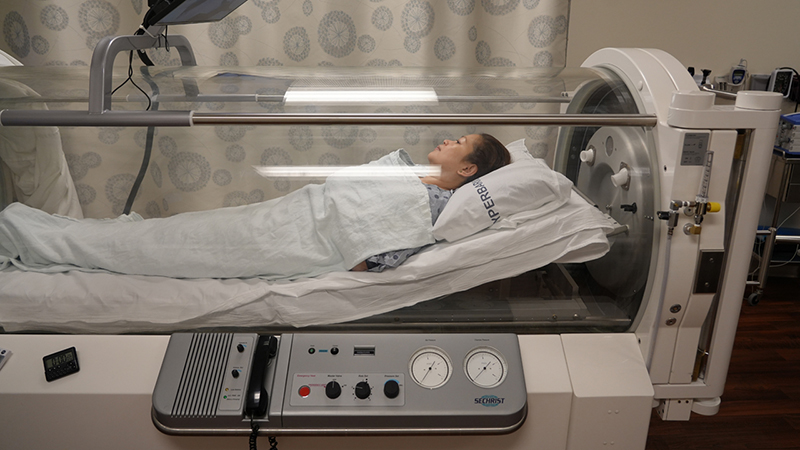
Stroke remains a leading cause of long-term disability worldwide. While advances in acute care have helped improve survival rates, rehabilitation and recovery continue to present significant challenges — especially in low-resource or rural settings. As public health professionals search for therapies that improve outcomes and reduce the burden of care, one treatment has sparked growing interest: hyperbaric oxygen therapy (HBOT).
Traditionally used to treat decompression sickness and non-healing wounds, HBOT is now being explored as a potential tool in stroke rehabilitation. But what does the evidence say? And what are the public health implications?
Understanding the Mechanism
At its core, HBOT involves breathing pure oxygen in a pressurized chamber. This increases the amount of oxygen dissolved in the blood and delivered to tissues, including areas of the brain that may have been compromised due to ischemia.
Early-stage research suggests that this process could “reawaken” dormant brain cells in stroke survivors, improving cognitive and motor function. This idea is especially promising for patients whose progress has plateaued using conventional rehab methods.
The Research So Far
A growing body of small clinical studies — including work out of Israel, the U.S., and South Korea — has shown that stroke patients undergoing HBOT experience improvements in speech, mobility, and even mood. One 2013 study published in PLoS ONE found significant neurological improvements in chronic stroke patients who underwent 40 HBOT sessions, even years after the initial incident.
Still, large-scale randomized controlled trials are limited, and HBOT remains an off-label treatment for stroke in many countries.
Public Health Considerations
From a public health lens, HBOT raises both exciting possibilities and logistical questions:
- Access: HBOT chambers are typically found in hospitals or private clinics. Expanding access would require policy support, insurance approval, and infrastructure investment.
- Equity: Stroke disproportionately impacts low-income and rural populations. Ensuring equitable access to emerging therapies is essential to avoid widening health disparities.
- Cost-effectiveness: While upfront treatment costs may be high, the potential to reduce long-term disability and caregiver burden could make it a worthwhile investment.
Looking Ahead
As researchers continue to explore HBOT’s effectiveness in stroke rehabilitation, public health leaders have an opportunity to push for rigorous studies and advocate for equitable access to promising treatments.
While hyperbaric chamber therapy isn’t yet a standard part of stroke care, it represents a compelling intersection of innovation and neuro-rehabilitation — one that could reshape the way we support survivors on the road to recovery.
 Tips & advice for living healthiest life