
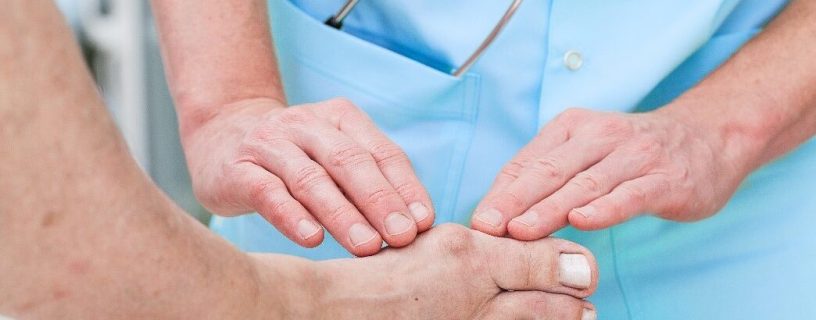
Bunions, those bony bumps that typically form at the base of the big toe, can be both physically uncomfortable and cosmetically frustrating. While surgery may seem like the only solution for severe cases, it’s important to know that there are effective non-surgical options that can help manage pain, improve mobility, and even slow the progression of bunions. Below, we’ll explore practical non-surgical bunion treatment methods that work for a range of needs.
Understanding the Root Cause of Bunions
Bunions develop gradually and are often caused by inherited structural foot imbalances, improper footwear, or consistent pressure on the front of the foot. Recognizing the root cause is key to selecting the right treatment plan, particularly when exploring non-surgical pathways.
Top Non-Surgical Bunion Treatment Options
For those seeking relief without surgery, various approaches can reduce discomfort and make daily activities manageable. Here are some of the most effective methods:
1. Orthotics and Shoe Modifications
Custom or over-the-counter orthotic insoles help redistribute pressure away from the bunion, alleviating pain and preventing further misalignment. Coupling orthotics with wider, properly fitting footwear ensures your toes have enough room to move without irritation. Look for shoes with a wide toe box and avoid high heels that increase pressure on the front of your foot.
2. Bunion Padding
Gel or foam pads placed over the bunion provide immediate relief by cushioning the affected area and reducing friction with the shoe. Pads are an accessible, cost-effective option and can work well for mild to moderate cases.
3. Toe Spacers and Splints
Toe spacers and bunion splints realign the big toe to its natural position. While these devices won’t permanently correct the deformity, regular use can improve flexibility and reduce pain, especially for nighttime wear.
4. Physical Therapy
Specific exercises can strengthen the muscles surrounding the bunion and enhance foot alignment. Stretching the toes, rolling the arch over a ball, or doing resistance band exercises can cut down on stiffness and discomfort over time.
5. Ice and Anti-Inflammatory Medication
For flare-ups, applying ice reduces swelling and soothes soreness. Over-the-counter anti-inflammatory medications, like ibuprofen, provide additional relief for temporary pain management.
6. Lifestyle Changes
Addressing habits that contribute to bunion progression is crucial. Consider limiting time spent in pointy or tight-fitting shoes and incorporating low-impact activities like swimming or cycling to avoid added foot strain.
When Should You Consider Surgery?
Non-surgical options are great for managing symptoms and preventing worsening conditions, but they don’t “cure” the bunion. If pain persists despite these measures or interferes significantly with your life, it may be time to consult with a specialist about surgical options.
Empower Your Foot Health
Non-surgical bunion treatment methods play a pivotal role in improving quality of life for many individuals. Whether it’s through orthotic support, therapeutic exercises, or simply the right pair of shoes, there’s likely a solution that aligns with your lifestyle and needs.
If you’re exploring options, consulting with a foot care professional is an excellent first step toward tailored guidance. Don’t wait to invest in your foot health—the best time to take action is now.
 Tips & advice for living healthiest life