
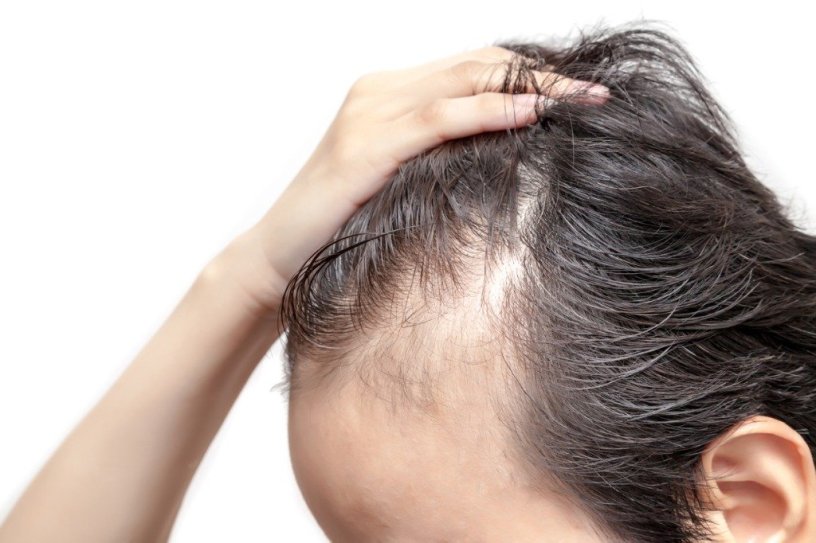
Hair loss can occur differently depending on each man, but a ubiquitous sign that hair loss has begun is the thinning hair you’ve noticed. It is always a sign to worry that your hair loss will start to progress even more.
Here, we will look at how to tell if hair loss occurs, including tips to monitor its state.
How Does Thinning Hair Occur?
Thinning hair is typified by strands that are not as thick as they once were. It can be challenging to know if your hair quality has deteriorated by checking on loose strands alone, but if they are considerably worse, it could be noticeable.
Over time, your hair quality might decrease if you possess the male pattern hair loss genes. Eventually, this may result in hair loss rather than hair thinning, with hair actively falling out, commonly at the crown or hairline areas.
Otherwise, the hair thinning might be due to poor lifestyle factors, like an unhealthy diet, severe stress, smoking, excessive alcohol consumption, or a lack of exercise. If any of these apply to you, it’s not too late to make changes for your hair and body.
How To Check if Your Hair is Thinning
The most likely way to ascertain your hair is thinning is to see how much of your scalp is visible; try comparing the state of your scalp now to what it looked like in photos from years ago. Monitor its condition over time by taking pictures under the same lighting and position every few weeks; you’ll have hair thinning material to compare.
Some men feel the sun’s rays more than before because their hair is thinner. The lack of thick hair won’t protect your scalp from the sun’s heat as much as before, meaning it’ll become more sensitive to the UV rays. The hair cuticles can be damaged from the sun, so stay covered as much as possible to avoid thinning hair.
Don’t take much notice of your hair’s condition when you’ve stepped out of the shower because more of the scalp is typically on show when your hair is wet.
Steps To Take if Your Hair is Thinning
First, you should contact a hair loss specialist to understand the extent of your hair thinning. A consultation with an expert will help you know how severe your hair thinning or loss is. Once this has been concluded, you could be prescribed medications to address the problem.
Finasteride is an oral tablet taken once daily to halt the transformation of testosterone into DHT, a hormone responsible for causing hair loss. By consuming this tablet, you are extending how long your hair spends in the growth stage of its cycle rather than its resting period.
Topical Minoxidil is a formula applied to the affected areas to increase oxygen levels and blood flow; this will likely reverse the miniaturisation process and promote healthier hair regrowth.
 Tips & advice for living healthiest life