
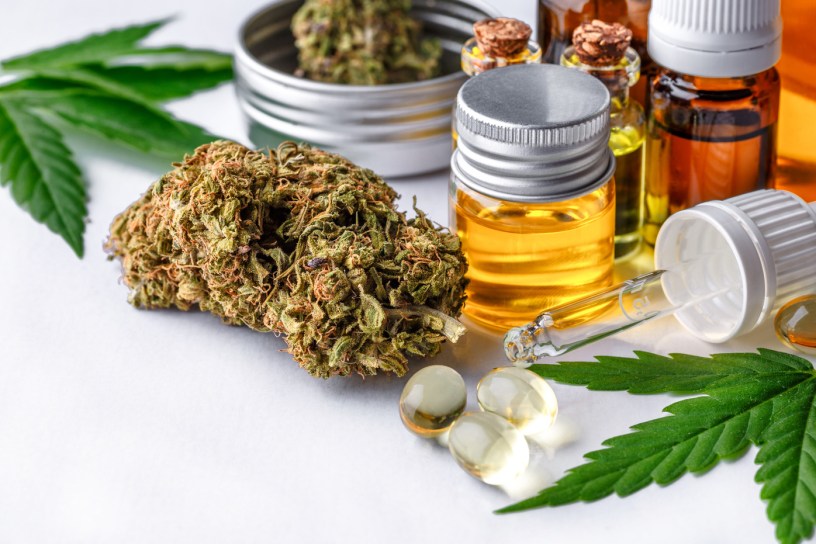
There are currently more than three-dozen states that allow patients diagnosed with certain conditions to use medical cannabis. Medical cannabis is accessed by way of a recommendation from medical professionals with authority to make such recommendations in their state. The thing to remember is that doctors do not prescribe cannabis.
You might find this confusing given the fact that so many providers and media outlets speak about ‘prescription cannabis’. It does not really exist. More importantly, referring to medical cannabis as a prescription product is more than just semantics. There is a clear legal distinction between a traditional prescription and a medical cannabis recommendation.
Obtaining Medical Cannabis Legally
If you wanted to purchase medical cannabis from the Zion Medicinal pharmacy in Cedar City, UT, you would need a valid medical cannabis card issued by the state. The states all address the medical cannabis card issue differently; I have chosen Utah as an example because their regulations are about as straightforward as they come.
Obtaining a medical cannabis card requires visiting with a medical professional. That person verifies that your medical condition is on the state’s qualifying conditions list. The medical professional also confirms that cannabis is an appropriate treatment based on your symptoms and other circumstances.
You would then take your medical cannabis card to Zion Medicinal where you would purchase cannabis vapes, tinctures, edible products, etc. You ultimately decide what you purchase and how you will use it. Zion Medicinal’s on-site pharmacist would be available to offer advice and answer questions.
A Doctor’s Order and Instructions
A recommendation is just that. The doctor or nurse recommends you use cannabis but ultimately allows you to decide how to do so. A prescription is completely different. It is essentially a doctor’s order – or a nurse practitioner’s order, in some cases – for a particular drug. The order details the drug, its dosage, and how you are to take it. The pharmacist follows that order when filling the prescription.
Legally speaking, a prescription is a legally binding document that specifies medication, dosage, delivery, frequency, and the amount of pharmacy dispenses. A pharmacy is legally obliged to dispense the drug exactly as the prescription details. State and federal agencies monitor pharmacies to make sure they do just that.
State Oversight of Medical Cannabis
There are a small number of states that require doctors and nurses to be very specific with their medical cannabis recommendations. In those states, medical cannabis pharmacies are expected to comply with the details. But this sort of thing is the exception to the rule.
In most states, medical cannabis patients are free to choose the products they want to use. They are also free to choose their own delivery method along with frequency of use. In essence, this gives the patient the freedom to self-medicate. If medical cannabis has a downfall, this would be it.
We do not allow patients to self-medicate with prescription drugs. And even with OTC drugs, manufacturers are required to print dosage and usage directions on packages. That is not how it works with medical cannabis.
A Benefit of Rescheduling
It’s quite possible that the federal government will reschedule marijuana to Schedule III of the Controlled Substances Act by the end of the year. If they do, one of the benefits of rescheduling could be bringing medical cannabis in line with other prescription drugs. It could mean the end to self-medicating in favor of legally binding control.
A medical cannabis recommendation is not a prescription. Now you know the difference. Keep it in mind when you hear people talking about prescription cannabis.
 Tips & advice for living healthiest life