
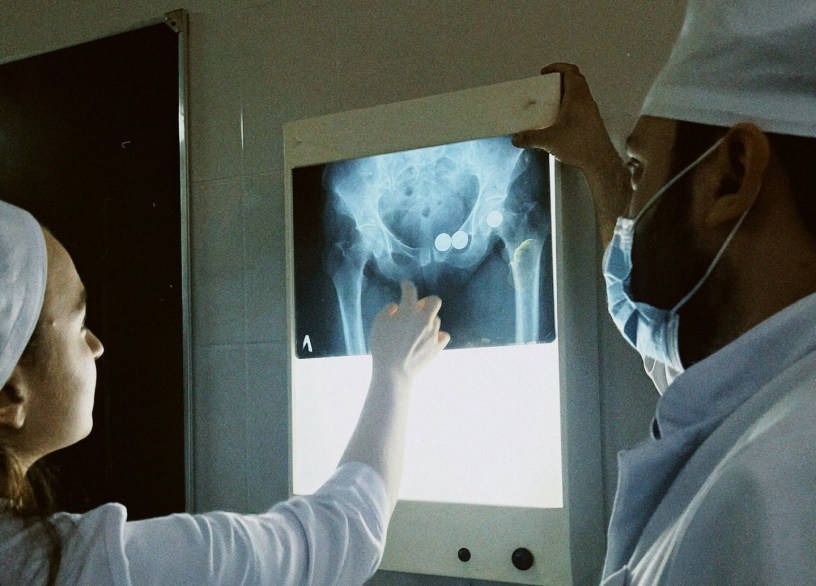
In recent years, the United Kingdom has witnessed a significant increase in the number of people opting for private healthcare services, including both operations and diagnostic procedures. This trend marks a notable shift in the healthcare landscape, traditionally dominated by the National Health Service (NHS). By delving into the data and examining the key factors behind this rise, we can gain insights into the evolving preferences of UK residents and the potential future of healthcare in the region.
Evidence of the Rise
Statistics and reports from various healthcare organizations highlight the growing inclination towards private healthcare. For instance, a report from the Private Healthcare Information Network (PHIN) indicates that there has been a noticeable uptick in private operations and diagnostic services. The number of elective surgeries performed in private hospitals has seen a year-on-year increase, with procedures ranging from orthopedic surgery to cataract operations recording higher volumes.
Furthermore, data from healthcare insurance providers have shown a surge in policies taken out by individuals and families. This uptick suggests not only an increase in the demand for private healthcare services but also a growing willingness among the public to invest in health insurance as a means of accessing these services.
Key Factors Behind the Rise
Several key factors contribute to the rising popularity of private healthcare in the UK:
Waiting Times
One of the most significant factors is the extended waiting times for NHS treatments. With the public system under considerable strain, patients often face long waits for consultations, diagnostic tests, and surgeries. Private healthcare providers offer a quicker alternative, allowing patients to bypass these delays and access necessary treatments promptly.
Quality of Care and Comfort
The perceived quality of care and the level of comfort in private hospitals are also important drivers. Many opt for private healthcare to benefit from more personalized care, better facilities, and greater comfort during their treatment and recovery periods. Newer private hospitals, such as One Hatfield Hospital in Hertfordshire, are purpose-built facilities equipped with the very latest technology and therefore seen as offering a better patient experience compared to many overstretched and underfunded NHS hospitals.
Advances in Private Healthcare
The private healthcare sector has made substantial investments in advanced medical technology and facilities. This commitment to adopting the latest treatments and diagnostic tools has made private healthcare an attractive option for those seeking cutting-edge medical interventions.
Healthcare Insurance
The growth of the healthcare insurance market has made private healthcare more accessible to a broader segment of the population. Insurance packages that cover a range of private treatments and services have become more prevalent, encouraging more people to consider private options.
Implications and Future Trends
The shift towards private healthcare has significant implications for both the NHS and the healthcare landscape in the UK. While it relieves some pressure off the NHS by reducing demand, it also raises concerns about healthcare inequality and the accessibility of high-quality care for all.
Looking ahead, the trend towards private healthcare is likely to continue, driven by ongoing challenges faced by the NHS, advancements in private medical technology, and the growing preference for personalized and prompt care. This shift could lead to further innovations in healthcare delivery and financing, including more integrated care models and insurance schemes designed to bridge the gap between public and private healthcare services.
However, it’s crucial for policymakers and healthcare providers to address the underlying issues within the NHS and ensure that the move towards private healthcare does not undermine the principle of universal healthcare access. Balancing the growth of private healthcare with the need to maintain and improve the NHS will be key to ensuring a robust, equitable healthcare system for the future.
In conclusion, the rise of private healthcare in the UK reflects broader changes in society’s expectations and the healthcare market’s responses to those needs. As this trend evolves, it will be important to monitor its impacts on healthcare quality, accessibility, and the overall health of the nation.
 Tips & advice for living healthiest life