
Botox, a neurotoxin derived from botulinum toxin, has emerged as a breakthrough treatment for chronic migraines. Approved by the FDA, it’s administered via injections into specific head and neck muscles, targeting nerve pathways involved in migraines. Typically, treatments are scheduled every 12 weeks.
Botox for migraines aims to prevent headaches rather than alleviate them once they start. Studies suggest it can reduce headache days for chronic sufferers by around 50%, offering relief for those who haven’t responded well to other medications.
While generally safe, side effects like temporary neck pain or muscle weakness near the injection sites can occur. Not everyone responds to Botox, and individual results vary. Consulting a healthcare professional to assess eligibility and discuss potential benefits and risks is crucial before considering this treatment.
Below we discuss the best botox for migraines cost.
How Does Botox Work for Migraines?
Botox, derived from botulinum toxin type A, functions by blocking the release of certain chemicals involved in nerve signaling.
When injected into specific head and neck muscles, it disrupts the nerve signals responsible for triggering migraines. The treatment targets the sensory nerve endings, reducing their ability to transmit pain signals.
Treatment Procedure and Schedule
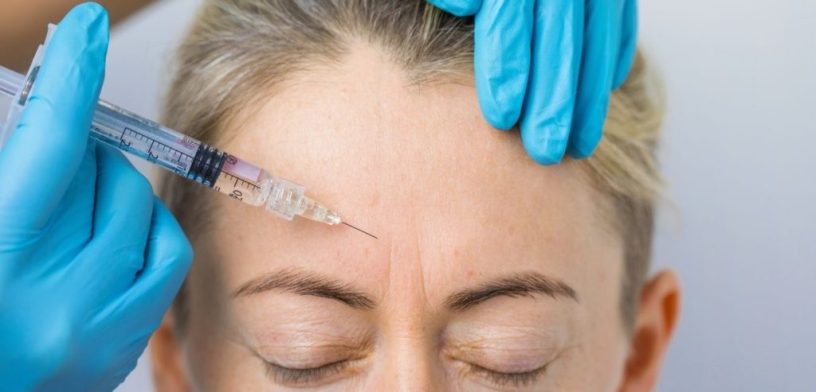
The Botox treatment for migraines involves receiving injections in various muscle areas around the head and neck, such as the forehead, temples, back of the head, and neck. A typical session may require 31 injections across seven key areas. The procedure is relatively quick, usually lasting around 15 minutes in a healthcare professional’s office.
For optimal results, Botox injections are typically administered every 12 weeks. Patients might not experience the full benefits immediately; it may take two to three sessions before notable improvements are observed.
Efficacy and Results
Studies have shown that Botox can significantly reduce the frequency of migraine days for chronic sufferers. On average, patients experienced around eight to nine fewer headache days per month after undergoing Botox treatments. Some individuals reported a reduction of up to 50% in their headache frequency.
It’s important to note that while Botox is effective for many, it might not work for everyone. Individual responses to treatment can vary, and some patients may not experience significant relief from their migraines.
Safety and Side Effects
Botox for migraines is generally considered safe when administered by trained healthcare professionals. However, like any medical procedure, there are potential side effects. Common side effects include temporary pain or discomfort at the injection sites, neck stiffness, or muscle weakness near the treated areas. These effects are typically mild and temporary, resolving within a few days to weeks.
Rarely, more severe side effects such as difficulty swallowing, speaking, or breathing can occur. It’s crucial to seek immediate medical attention if any unusual or severe symptoms arise after receiving Botox injections.
Conclusion
Botox has emerged as a promising option for chronic migraine sufferers who have not found relief with traditional medications. Its ability to reduce the frequency of migraine days and offer significant relief has made it a valuable treatment option.
However, individual responses can vary, and it’s essential to consult with a healthcare professional to discuss potential benefits, risks, and alternatives before undergoing Botox treatment for migraines.
 Tips & advice for living healthiest life