
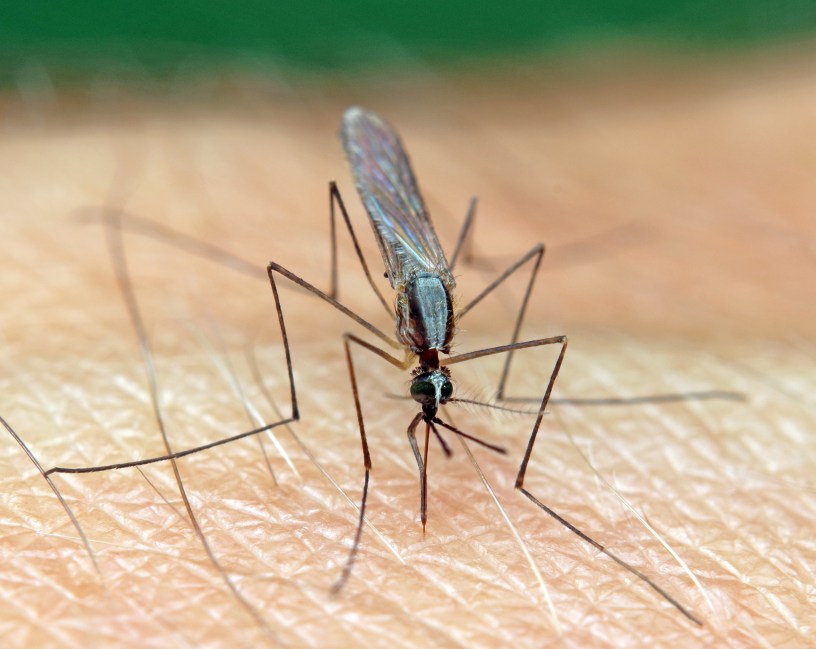
Midges are diminutive two-winged flies known for their swarming behavior. They’ve preference for breeding near water or marshy environments. Sandflies, on the other hand, are tiny, hairy, bloodsucking flies typically found in tropical and subtropical regions. They are notorious for transmitting various diseases, such as leishmaniasis.
Do midges and sandflies cause disease?
Biting midges and sandflies are not known to transmit any human diseases. Besides, their bites provoke a strong localized allergic response. This can be painful and irritating for specific individuals.
The intensity of this reaction can vary from person to person. Those regularly exposed to biting midges may gradually become less sensitive over time, potentially experiencing only a mild reaction or none at all. Conversely, newcomers, such as tourists, may have a severe reaction characterized by large, swollen bites measuring several centimeters in diameter. Some individuals may not even realize they’ve been bitten, as the itching may not begin until several hours after the initial bites.
These bites are both painful and itchy. They may also develop into blisters, become weepy, and persist for several days or weeks. Scratching these bites can lead to secondary bacterial infections.
Avoid Breeding Grounds
To minimize the risk of midge bites, avoid places where midges gather, especially during dusk and dawn. When you observe swarms of midges congregating over water, it’s usually a signal of their mating season. Female biting midges typically shift from consuming flower nectar to feeding on human blood during this period. While not all midge species pose a threat to humans, it’s a good precaution to stay away from locations with an abundance of swarming midges if you are aware of the presence of biting species nearby.
How do you keep off the Midges and Sandflies?
Use Insect Repellent
Apply spray-on insect repellents to make yourself less appealing to midges. Look for brands containing the chemical “DEET” (diethyl-toluamide), as these are more effective at deterring midges than regular Aerogard.
Burn Citronella Candles
Like many insects, Midges dislike the smell of Citronella oil, which acts as a natural insect repellent. Lighting Citronella candles can be an effective deterrent, especially in enclosed areas.
Cover Up
Wearing protective clothing is essential to guard against midge and sandfly bites. Opt for clothing that covers your skin, including long sleeves, pants, and closed shoes, to minimize the exposed areas where these insects can bite you. Avoid being outdoors during dawn and dusk and other times when biting midges are active. Wear long, loose-fitting clothing, preferably light colors, to cover up exposed skin. When outdoors, carry some insect repellent containing either diethyltoluamide (DEET) or picaridin. Natural repellants work but are generally less effective than DEET or picaridin and may require more frequent application.
For babies and young children, dress them in protective clothing, including socks and shoes. Again, utilize fine mesh bed nets and other forms of insect screening.
It’s crucial to remember that using residual sprays repeatedly can adversely affect various insect and spider populations. Carefully read the product label and apply residual sprays following the manufacturer’s guidelines. Get more information here on keeping off midges and sand flies. Consider also seeking assistance from a licensed pest management professional.
 Tips & advice for living healthiest life