
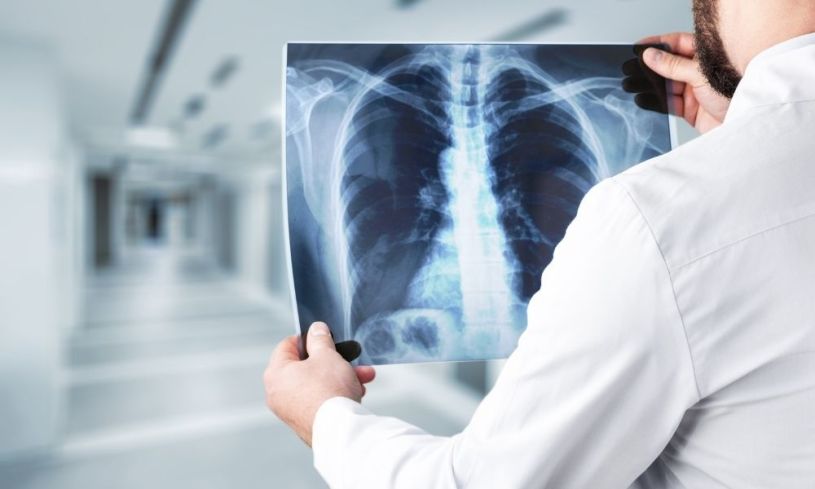
X-Ray has been around for over 100 years and has significantly shaped medical imaging. Today, X-ray is not simply an imaging technology used solely for diagnosis. The advancements in X-ray West New York technology facilitate treatment planning, administration, and monitoring, making it a dominant force in healthcare. As a patient, you may initially not be much open to using X-rays. This is especially with the myths of the exposure you may have heard. Nonetheless, X-rays offer many benefits with few risks, which can help speed up your diagnosis and treatment. Among such benefits and risks are:
Non-invasive diagnosis
Imagine if you had to undergo surgical exploration to diagnose a dislocation or bone fractures. You are already in pain, and such an approach would only worsen the situation. X-ray provides a painless and non-invasive diagnosis alternative. The specialist uses the images to gain an in-depth view of your situation, which is an effective way to diagnose various medical issues, including tumors. The images also help the specialist plan the best treatment measures for the situation.
Besides the initial diagnoses, the doctors use e-ray to monitor treatment progress. The non-invasive X-ray nature facilitates safer and more productive care, a win-win for patients and healthcare providers.
Guides certain treatments
X-ray-guided treatments facilitate a minimally-invasive approach. The treatments include guided injections, placing tubes and catheters in arteries, and managing fluid drainage. Such models are used in managing complex procedures like heart problems, tumors, blood clots, kidney and liver problems, and cosmetic treatments. The x-ray-guided treatments facilitate improved precision and fewer risks. For instance, when managing tumors, a doctor can easily navigate the process without an increased risk of affecting the surrounding tissues and organs.
X-ray offers an innovative way to diagnose, treat, and monitor progress, but there are risks, as with every medical aspect. X-ray risks and complications are minimal and mainly revolve around exposure. The risks are:
Increased cancer risks
Exposure to X-ray increases the risk of developing cancer later in life as it can cause DNA mutation. The higher the exposure dose, the higher the risk. Age also counts, with younger patients at higher risk than when an X-ray is done at an advanced age. The radiation-associated cancer is more prevalent in females than males. The body region also counts, with some parts being more radiosensitive and at higher risk of developing cancer. Such risk factors are the main reasons x-ray use is moderated, including avoiding unnecessary repeat exposure.
Tissues effect
X-ray is associated with an increased risk of hair loss and skin blemishes like reddening. This is mainly when the radiation levels are high, which is rare. You could also experience unpleasant side effects in such exposure levels, including vomiting, bleeding, and vomiting. Such side effects are hardly experienced, especially with medical advancements that facilitate better radiation exposure controls.
X-ray’s benefits outweigh the risks. This is more so since the exposure is significantly low, and patients hardly have to worry about the risks. Contact Advanced Imaging today for all your X-ray needs.
 Tips & advice for living healthiest life