
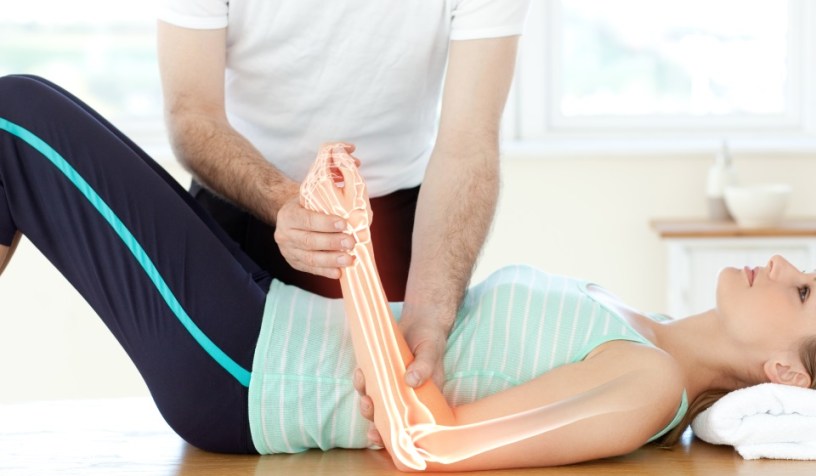
The upper extremity is considered the most delicate and complex human anatomy. It consists of parts of the upper limbs, including the shoulders, wrists, arms, forearms, and hands. The upper extremities are easily prone to damage due to repetitive motions, trauma, and injuries from poor posture. When any part of your upper extremity malfunctions, you might find it hard to complete numerous tasks and duties. Fortunately, various surgical and non-surgical treatments can help treat these injuries. Talk to Dr. Kristopher L. Downing to determine which treatment option best suits you. Here are five effective conservative treatment options that might treat pain and injuries on your upper extremity.
- Physiotherapy
Physical therapy is a common treatment option for upper extremity injuries. This treatment option is suitable for stress-related or repetitive injuries. It improves the mobility of the upper limbs, such as shoulders, hands, arms, or wrists. Depending on the severity of the injury, your doctor might recommend practicing certain exercises at home. However, you may need regular physical therapy from your doctor for severe injuries.
- Braces and Splints
Braces and splints are effective methods that can treat upper extremity injuries. You wear these devices on your elbow, wrists, and hands that help keep a specific joint intact. They also help ease pain and symptoms associated with upper extremity injuries. Your doctor might recommend splints rather than braces for bone fractures or sprains. Braces are often best for treating chronic upper extremity injuries and pain.
- Dry Needling
Dry needling is a treatment method that works similarly to acupuncture. It can help reduce pain associated with upper extremity injuries and treat muscle tissues. Dry needling improves blood circulation by reducing tenderness and pain at the trigger points.
During the procedure, your doctor first identifies the trigger points and punctures tiny long needles on these points to stimulate the healing process. Depending on the severity of your condition, your doctor might insert the needles superficially or deeply into your muscle tissues for approximately ten or fifteen minutes.
- Medications and Injections
Your doctor might recommend mild over-the-counter medications such as aspirin, topical ointments, and Ibuprofen for mild upper extremity injuries. If you are experiencing severe pain, you might need stronger pain-relieving medications such as oral steroids or anti-inflammatory drugs.
You can also treat upper extremity pain through cortisone injections. Through an ultrasound guide, your doctor injects this medication in the affected joint space or around an inflamed tendon. Cortisone injections can effectively reduce inflammation within a short period.
- RICE Therapy
RICE therapy is a form of self-care technique that involves the application of rest, ice, compression, and elevation. It can help reduce swelling and pain and speed up the healing process. RICE therapy is often more effective in treating tendonitis, sprains, and acute hand injuries.
Resting can help you avoid putting extra pressure or weight on the injured area and prevent further bruising. Applying an ice pack on the injured area can ease pain and prevent frostbite. Elevating an injured upper limb on a pillow can also help improve blood circulation and reduce throbbing, pain, and swelling.
Upper extremity injuries can affect your daily life, especially if left untreated. To treat upper extremity pain, contact Upper Extremity Specialists of Ortho 1 Medical Group and consult Dr. Kristopher L. Downing on the best treatment options. You will also learn how to prevent upper extremity injuries during our daily routine activities. Call his office today or request an appointment to learn more about your condition.
 Tips & advice for living healthiest life