
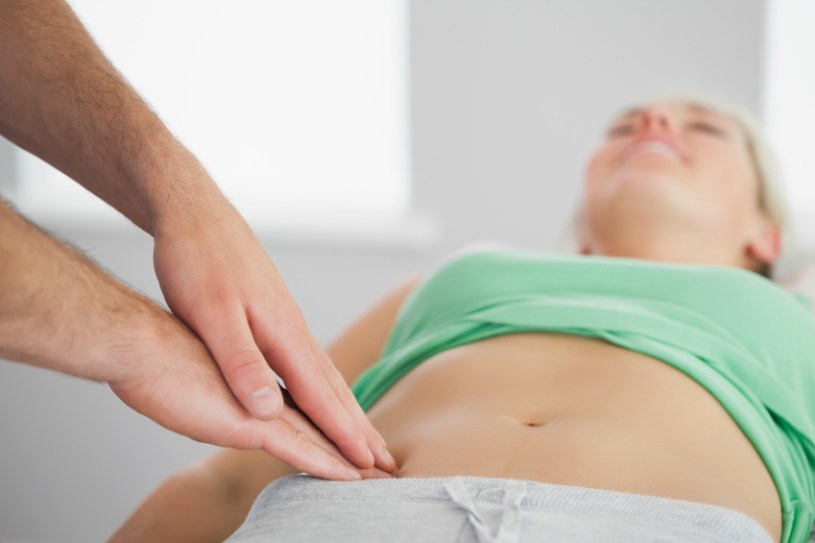
Pelvic pain occurs on the lowest part of your abdomen, between your belly button and groin. It may indicate a problem in your reproductive system or gastrointestinal tissue. Women experience pelvic pain differently, ranging from mild to severe. Pelvic pain South Charleston can present as a constant, dull ache or sharp, intermittent discomfort. Sometimes pelvic pain can be extreme, disrupting your daily activities. If your pelvic pain is severe or persists, accompanied by symptoms like abnormal vaginal bleeding, bloating, fever and cloudy or bloody urine consult your doctor immediately. There are many causes of pelvic pain in women, and here are some.
Menstrual cramps
Menstrual cramps are a common cause of pelvic pain. They affect over half of women during the menstruation period. Menstrual cramping often happens before you start your period as your uterus contracts and sheds its lining. Pelvic pain during menstrual may feel like a muscle spasm or jabbing pain. Over-the-counter medications like ibuprofen can help relieve pain. Using a warm heat pad can also ease the pain.
Pelvic inflammatory disease (PID)
Pelvic inflammatory disease affects the uterus and can damage the surrounding tissue. PID develops when bacteria from your vagina or cervix enter your uterus. PID symptoms include pelvic pain, abnormal vaginal discharge, bleeding, and infertility if left untreated. Your doctor can prescribe medications to treat the bacterial infection. Untreated or recurring PID can lead to scarring within your pelvic organs.
Endometriosis
Endometriosis is a condition where the endometrium lining grows outside your uterus. It may cause or not cause symptoms. If it causes symptoms, you may experience prolonged pelvic pain, heavy bleeding, bleeding between periods, and pain during sex. In some women, it leads to infertility. Endometriosis treatments depend on a patient’s symptoms.
Ectopic pregnancy
An ectopic pregnancy happens when an embryo implants outside your uterus and grows. It can cause sharp pain and cramps in your pelvis, mostly on one side. You can also experience nausea, vaginal bleeding, and dizziness. If you suspect you have an ectopic pregnancy, consult your doctor immediately because it is a life-threatening condition.
Uterine fibroids
Fibroids are non-cancerous growths that develop in your uterus. They can be small or large. Not all women with fibroids experience symptoms. If your fibroids cause symptoms, you may experience pelvic pain and fullness, abnormal bleeding, heavy periods, and cramping during menstruation. Treatments for fibroids include medications, non-invasive procedures, and surgery.
Cystitis and urinary tract infections
Cystitis is the inflammation of your bladder resulting from a bacterial infection. It occurs when vaginal, rectal, or skin bacteria enter your urethra and travel to your bladder. A urinary tract infection can happen anywhere in the urinary system, while cystitis only affects your bladder. These infections can cause a burning sensation when urinating, cloudy urine, frequent urination, and pelvic pain. Sometimes the conditions can clear without treatment, but antibiotics can relieve persistent symptoms.
Pelvic pain occurs on the lowest part of your abdomen, between your belly button and groin. It is a common issue in women and can be caused by menstrual cramps, endometriosis, pelvic inflammatory disease, uterine fibroids, ectopic pregnancy, and urinary tract infections. Schedule an appointment with Patel & Patel, M.D., Inc. for pelvic pain treatment to resume your normal life.
 Tips & advice for living healthiest life