
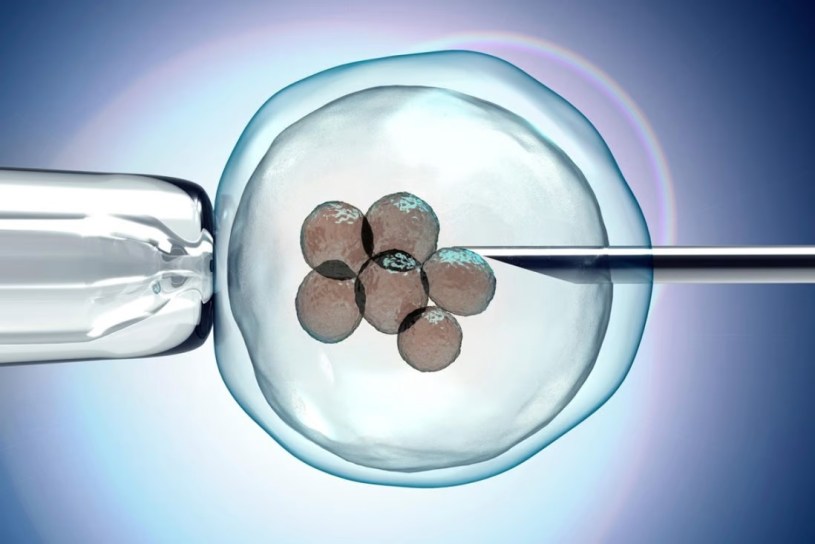
As women advance in age, their natural fertility potential declines; this phenomenon is universal and can start as early as 30 years, becoming more pronounced over the next decade. Over time, the ovary loses its normal reproductive potential – a condition known as diminished ovarian reserve. It most commonly occurs due to aging but can also be due to a disease or injury. If your doctor has diagnosed you with Diminished Ovarian Reserve Mountain View, you may be thinking about egg freezing; this is especially true if you want to have children in the future. Below are important things you should know about the egg-freezing process.
There is no perfect age to freeze your eggs.
Specialists recommend egg freezing for women in their 20s and early 30s since this is when the ovarian reserve (number of eggs in ovaries) is higher. Younger women also have healthier or viable eggs, which are more likely to result in a successful pregnancy. Before egg freezing, specialists test fertility hormones to determine the state of the ovarian reserve. You can decide whether egg freezing is right for you based on the test outcome and your doctor’s input. That said, women above 38 years are not good candidates for egg freezing.
The egg retrieval process is intense.
Many processes are involved before getting to the actual part where the eggs are frozen. First, your healthcare provider will draw some blood from you to evaluate your ovarian reserve and screen for infectious diseases. You may also need an ultrasound to assess your overall ovarian function. Next is ovarian stimulation, where you will take synthetic hormones that stimulate your ovaries to produce a cohort of follicles. You will also take medicine to prevent you from ovulating before egg retrieval or harvesting.
Once your doctor confirms the follicles are ready for egg retrieval, you will self-inject the human chorionic gonadotropin to help with egg maturation. The retrieval process will occur at your doctor’s office; you will be anesthetized for this procedure to minimize pain. For harvesting, the doctor inserts an ultrasound probe into your vagina to locate the mature egg follicles. Using a hollow needle, they will apply suction to retrieve the eggs one at a time.
There are side effects.
Egg freezing involves a lot of synthetic hormones, so side effects are normal. However, everyone’s bodies are different, and the side effects may vary from person to person. The following are normal symptoms after egg freezing and will diminish with time.
- Mood swings
- Cramping and pain from the retrieval process
You may need to take time off for the day of egg retrieval, but you can return to work and resume normal activities within a week after the procedure. Some women develop ovarian hyperstimulation syndrome- a reaction to the fertility drugs that promote ovulation. Classic symptoms of OHSS include bloating and weight gain.
Egg freezing is also a good option for women with health issues compromising fertility. For example, you can freeze your eggs if you have cancer that requires chemotherapy or radiation therapy.
For further questions about egg freezing, consult your specialist at NOVA IVF.
 Tips & advice for living healthiest life