
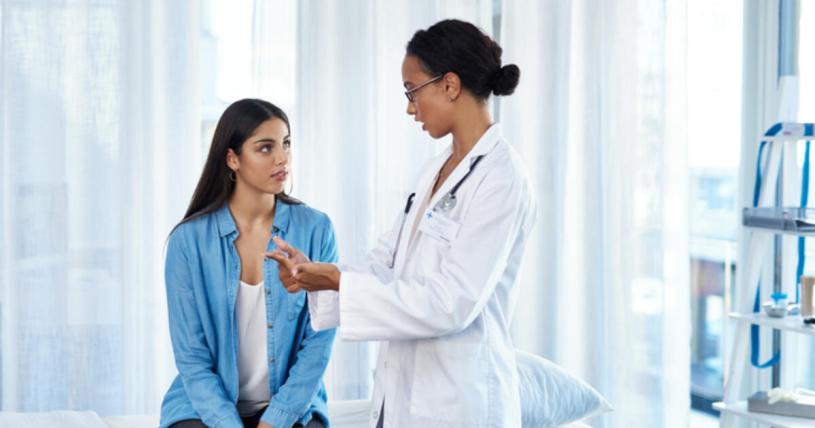
As a woman, you will have to visit an OBGYN at some point in your life. Whether pregnant or not, you need to see an OBGYN for your annual checkup and other gynecological problems. A San Antonio OBGYN specializes in the female reproductive system and can help with a variety of issues.
This specialist can help with everything from delivering babies to removing tumors. If you have any questions or concerns about your reproductive health, it would be wise to see an OBGYN.
There are various reasons why women visit this specialist:
- Pregnancy-related issues:
The OBGYN is the best doctor to handle any pregnancy-related issues. They can provide prenatal care, which includes checking the baby’s development, advising on nutrition and exercise, and answering any questions you may have about your pregnancy. They can also deliver your baby and provide postnatal care, which includes advice on breastfeeding and postpartum care.
- Annual checkups:
Women need an annual checkup with an OBGYN, even if they are not pregnant. This is because the OBGYN can detect any problems with the reproductive system early on. During the annual checkup, the OBGYN will do a Pap smear, a test for cervical cancer. They will also check the breasts for any lumps or changes.
Now that you know the reasons to book an appointment with an OBGYN, here is a detailed explanation of the gynecological problems that they can handle:
Cervical dysplasia
Cervical dysplasia is a precancerous cervix disease. The cervix is the bottom section of the uterus that opens into the vagina. Cervical dysplasia is characterized by the growth of abnormal cells on the cervix. These aberrant cells are not malignant, but they can develop into cancer. The human papillomavirus is the most common cause of cervical dysplasia (HPV).
An OBGYN can use a Pap smear or biopsy to diagnose cervical dysplasia. The severity of the condition determines the treatment for cervical dysplasia. In some circumstances, the aberrant cells will naturally disappear.
Pelvic inflammatory disease
It is an infection of the reproductive organs. Bacteria that migrate from the vagina to the uterus, fallopian tubes, or ovaries are typically responsible. PID can be caused by sexually transmitted illnesses (STIs) such as chlamydia and gonorrhea. Lower abdomen pain, fever, abnormal vaginal discharge, and pain during intercourse are all symptoms of PID. If untreated, PID can lead to infertility.
Endometriosis
Endometriosis is a disorder where the uterine lining grows on the outside of the uterus. This tissue can develop on the ovaries, fallopian tubes, and other pelvic organs. Endometriosis can cause lower abdominal pain, tiredness, and irregular periods. It can also make it difficult to conceive.
Fibroids
Fibroids are non-cancerous growths that develop in the uterus. They are made up of muscle and connective tissue. These growths can be as small as a pea or as large as a watermelon. They can cause pain, heavy bleeding, and incontinence. Fibroids can also make it difficult to get pregnant.
If you think you may have any of these gynecological problems, make an appointment with your OBGYN at LUNA MED SPA & WASHINGTON OB-GYN, P.A. They may be able to diagnose and treat your condition.
 Tips & advice for living healthiest life