
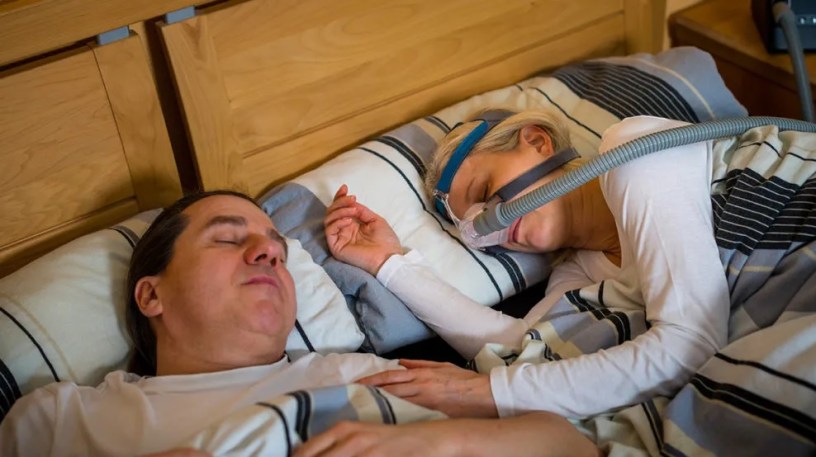
Sleep apnea is a sleep disorder whereby your breathing stops and starts multiple times at night, affecting your ability to enjoy deep, restful sleep phases. There are two main types of sleep apnea, and each has different causes. For example, obstructive sleep apnea, the most common form, occurs when throat muscles relax, blocking your airways. Central sleep apnea is a rare form that occurs when there is a disconnect with how breathing is regulated in the brain. If you have severe sleep apnea, your Bridgewater Respacare healthcare provider may recommend medical interventions to eliminate symptoms. But for people with mild sleep apnea, the following remedies may help decrease their symptoms.
Exercise regularly
Although experts commonly recommend weight loss as a treatment for sleep apnea, people who don’t lose significant weight can still benefit from exercise. Exercise reduces disrupted breathing events and daytime sleepiness associated with sleep apnea. Various exercises, including walking to high-intensity activities, can lower your risk of sleep apnea. A specialist can recommend the best exercises to prevent or stop sleep apnea.
Change your sleep position
If you always sleep on your back, consider changing to side sleeping; this can reduce the symptoms of obstructive sleep apnea. Most people with sleep disorders find that their symptoms worsen when they sleep on their backs. The increase in symptoms results from the tongue sliding back into your mouth and blocking the airway. When you sleep on your side, you prevent the tongue from blocking your airways.
Sleeping on your side when you are used to lying on your back can be difficult. But there are a few ways to train yourself to sleep. For example, you can place pillows around your body to prevent yourself from rolling onto your back. Another strategy is to sew a tennis ball at the back of your pajamas; this causes discomfort when you try to lie on your back.
Avoid alcohol consumption
Alcohol is an antidepressant, meaning it slows down your brain activity, impacts your mood, and relaxes muscles in your body. When you take alcohol, the muscles in your airway relax, causing excessive snoring and disrupted breathing as you sleep. Individuals who don’t have sleep apnea but snore while sleeping may experience sleep apnea when they consume alcohol.
Maintain a healthy weight
Physicians recommend people with sleep apnea lose extra pounds and stay within their ideal weight. Being overweight, especially in the upper body, increases the risk of airway obstruction and narrow nasal passages. These obstructions cause you to stop breathing for brief periods several times throughout the night. You keep your airway clear when you lose weight and reduce sleep apnea symptoms. Modest weight loss in individuals with obesity can eliminate the need for long-term CPAP surgery or upper-way surgery. Sometimes weight loss can eliminate sleep apnea symptoms, but the condition can return if you regain the weight.
Use a humidifier
For some people, dry air irritates the body and the respiratory system, narrowing the airway. Placing a humidifier in the bedroom can add moisture to the air; this opens your airways and encourages clearer breathing.
If your symptoms don’t improve with these remedies, visit your doctor at Respacare for medical intervention.
 Tips & advice for living healthiest life