
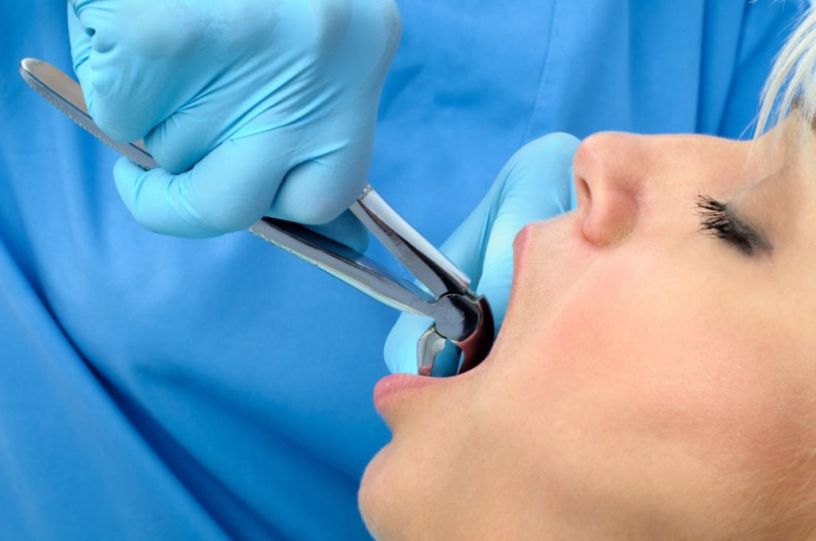
A tooth extraction procedure can help prevent further damage to your teeth and mouth, especially after an infection or trauma. If you need to extract a tooth, consider looking for a specialist like Esther Oluwo DDS, an experienced dentist, to perform the procedure.
The following are reasons for a tooth extraction procedure.
Tooth decay
For unchecked tooth decay, you will need to visit a dentist’s office which can result in tooth extraction. Tooth decay results from eating sugary foods and poor dental hygiene habits. Your dentist might recommend tooth extraction to avoid affecting the surrounding healthy teeth.
Trauma
You can suffer tooth injury from a direct blow like a ball during contact sports or a car accident. After the injury, your tooth might be severely shattered; if left in your mouth, it can lead to infections. Your dentist might recommend removal to avoid infections.
Gum disease
Periodontal disease is one of the reasons why your dentist might recommend a tooth extraction procedure. This removes the infected teeth and avoids spreading the infection to healthy teeth. Periodontal disease can lead to other conditions that might affect your cardiovascular system.
Tooth overcrowding
If you have teeth rowing into the space of the other teeth, a tooth extraction procedure can help give you a straighter smile. The method removes the teeth that are pushing into the other teeth that are correctly positioned. You get to align your teeth and smile without using braces.
Impaction
If your wisdom teeth grow into other teeth in your mouth, you might experience pain. Your dentist might recommend tooth extraction to avoid damaging your teeth.
Aftercare for tooth extraction
You must follow your dentist’s aftercare instructions to ensure a successful procedure outcome. Your specialist will give you instructions on hygiene, diet, and pain management. The following are helpful tips you can use.
Hygiene
One of the most important aftercare instructions to follow involves hygiene. You must keep your mouth clean, especially at the surgical site. Your dentist might encourage you to brush your teeth regularly and rinse with an antibiotic mouthwash, at least three times daily.
Diet
You should consume liquids and soft foods for the first few days after surgery. The goal is to avoid chewing and hence the need for soft foods. Consider beverages like soups or tea, or you can have mashed potatoes or yogurt.
Physical activity
Since a tooth extraction is a surgical procedure, your specialist might ask you to avoid strenuous activity after the treatment. A strenuous activity might increase your heart rate, increasing your chances of bleeding from the incision site.
Pain management
While your specialist might prescribe painkillers for you, you can use ice on the outside cheek of the affected side. You can wrap a bag of ice cubes with a clean cloth to avoid freezing your facial muscles.
Conclusion
If you have teeth overcrowding or a severely damaged tooth, visit TNL Family Dental for a tooth extraction treatment. Your specialist can offer you a personalized treatment after thoroughly evaluating your mouth and dental needs. Call or schedule an appointment online and improve your dental system.
 Tips & advice for living healthiest life