
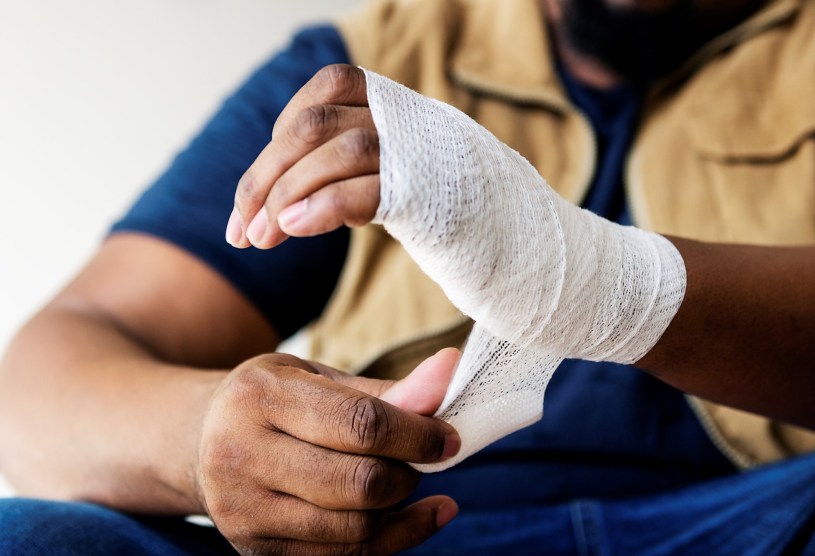
According to the CDC, nearly 5 million Americans suffer dog bites annually, and only about 700 000 seek medical help. The number of people affected rises further if you consider that Spring animal bites include snakes, cats, rats, ferrets, squirrels, and other wild animals. Animals carry a lot of harmful bacteria in their mouth that cause an infection if a bite pierces your skin. That may be why 99% of all human rabies transmission comes from dogs. So, seek medical attention immediately when an animal severely bites you, or you fear a bite may cause an infection.
Subsequently, below are the treatment options for animal bites.
Antibiotics
The main issue you may have to deal with when an animal bites you is infection. Take antibiotics if you have a high-risk wound like a deep cut wound and health conditions promoting the start and spread of disease. Health issues that should make you worry are a weak immune system and high blood glucose.
Often, antibiotics are administered orally as a liquid or pills. But, if the wound is highly infected, antibiotics may need to be introduced into the bloodstream via vein injection. If the infection is worse and you do not want an injection, you will need to take more antibiotics orally for a bit longer.
Immunization of tetanus
Tetanus is a severe disease that can come from an animal bite and is known for affecting the nervous system. The life-threatening illness triggers muscular contractions, particularly in the neck and jaw.
If an animal bites you, it is prudent to go for vaccination against tetanus, notably if you have not had one over the last five years.
Also, immunization should protect you against rabies, another dangerous disease.
Stitching of wounds
Generally, if the wound resulting from an animal bite has a severe cut, your doctor will clean it thoroughly and stitch it. Damages in the face, a sensitive part of the body, usually demand stitching as there is a high possibility of scar formation.
Other times, your doctor may need to delay stitching your injury if there is a lingering infection risk. In such a situation, wound cleaning, treatment, and dressing happen, but a health provider performs stitching after about three days when there is no longer a fear of infection. Days leading to surgical sutures, there is a daily examination of potential infection signs.
So that you reduce the chance of being part of the many people bitten by animals, focus primarily on prevention. Some of the preventative measures against animal bites may include:
- Moving quietly and safely when around animals. Yelling, screaming, or being unruly around an animal, like a dog or snake, puts you at a higher risk of receiving a bite.
- Avoid approaching or playing with an animal when it is feeding or asleep.
- Do not put your fingers or arm in an animal cage.
- Stay away from stray or wild animals.
- Vaccinate your pet against rabies and other infections
Contact Houston Medical ER today for diagnosis and treatment of animal bites.
 Tips & advice for living healthiest life