
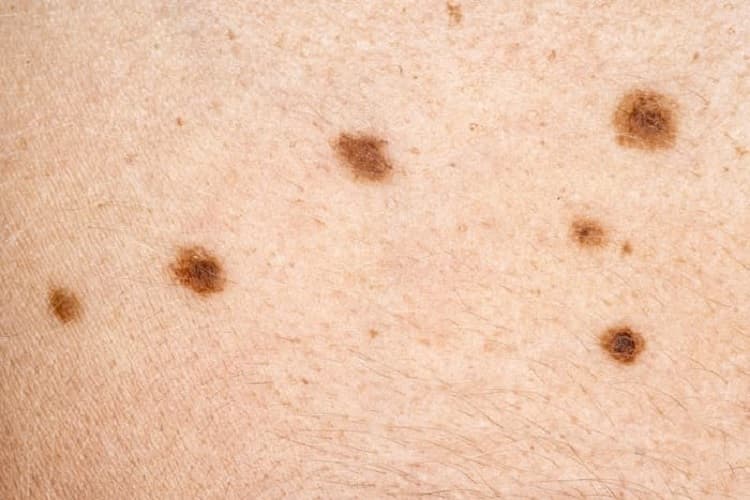
Skin cancer is the abnormal growth of skin cells that affects the epidermal skin layer and is the most common cancer worldwide. There are different forms of skin cancers, with each presenting differently. Too much exposure to ultraviolet rays is the leading cause of most skin cancers. Visit Dr. Samantha Robare Cypress, if you observe any abnormal lump, ulcer, lesion, or discoloration. Early detection of most skin cancers can lead to successful treatment.
Risk factors of skin cancer
UV light exposure: UV rays destroy your skin cells and are a significant factor for most forms of skin cancers. The damage causes an overgrowth of the cells, leading to the development of skin cancer. The sun, tanning beds, and sun lamps are the sources of UV light exposure.
Moles: Not all moles indicate skin cancer. Moles can develop into melanoma if you have many of them.
Light skin and hair and freckling: You are at high risk of developing skin cancer if you have more delicate skin. You have a higher chance of the condition if you have naturally red or blonde hair, blue or green eyes, and light skin that burns or freckles quickly when exposed to the sun.
Family history of skin cancer: Research shows that you are more likely to get cancer if your parents or siblings are diagnosed with melanoma. A family history of skin cancer can result from sharing a lifestyle of sun exposure, light skin tone, or changes in genes in the family. If any family member has skin cancer, ensure you get self-skin checks monthly and visit your dermatologist for regular checkups. Ensure you avoid tanning beds and sun lamp exposure and use sunscreen for sun protection.
History of skin cancer: If you have developed cancer before, there are high chances it will recur. Studies show that seventy percent of people with skin cancer get the condition again even after recovering, especially older adults. Sometimes, you can have a different type of cancer from the one you had before. Ensure you get regular checkups with your dermatologist to monitor any recurrence.
Weakened immune system: If you have a weak immune system, you are at a higher risk of skin cancer. Undergoing chemotherapy, certain medications, and autoimmune diseases can weaken your immune system.
Treatment for skin cancer
Cryosurgery: The procedure involves your doctor freezing the growth using liquid nitrogen. The nitrogen destroys the tissue as it melts.
Excisional surgery: Your physician cuts the growth and a section of healthy skin surrounding it.
Chemotherapy: You can take this treatment orally, apply topically, or your doctor injects it intravenously to kill the cancer cells.
Immunotherapy: Your doctor can prescribe immunotherapy drugs that stimulate your immune system, killing cancer cells.
Mohs surgery: The technique involves your specialist removing the skin, layer by layer. The specialist observes the layers under a microscope until no abnormal cells are seen.
Radiation: This treatment uses high-powered energy beams to kill cancer cells.
If detected early, skin cancer can be treated effectively. Without proper management, it can severely affect your health. Schedule an appointment at Magnolia Dermatology for skin cancer treatment to relieve the discomforting symptoms.
 Tips & advice for living healthiest life