
Introduction
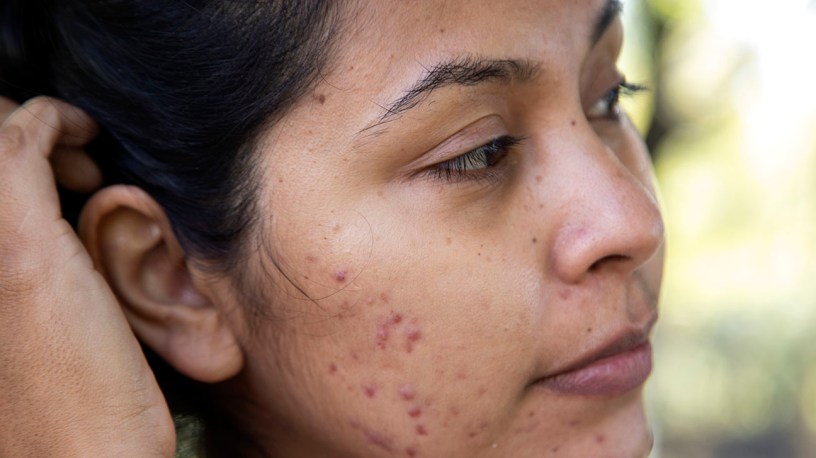
According to Dr. Richard Nahas, clogged pores due to the build-up of oils, dead skin cells, and bacteria can inflame them and lead to acne. And one out of five people between the ages of 11 and 30 develop acne scars. To prevent acne scars and infections, you should avoid popping, picking, and touching acne. The treatment options for acne will depend on the type of acne. Typically, acne scars can be classified into three types — atrophic scars, keloid scars, and hypertrophic scars.
The Details
Here are a few ways you can get rid of acne scars:
- Natural remedies – The simplest way to treat acne scars is to use natural remedies that are easily available at your home and don’t require you to visit a doctor. For instance, you can apply honey to your skin since it heals wounds and reduces future scarring. Combining manuka honey with aloe vera is another popular option to promote the healing of acne scars.
To reduce discolouration in your scars you can apply rosehip oil. And, to even out skin pigmentation, you can apply black seed oil.
- Over-the-counter remedies – You can choose from a variety of OTC lotions and creams that help to treat acne scars. However, they are unlikely to flatten a raised scar or remove them fully. When choosing an OTC clean or lotion to treat acne scars, ensure they contain the following ingredients:
- Retinoids – According to studies, topical retinoids help to speed up cell regeneration block inflammation, lighten hyperpigmented acne scars, and reduce acne lesions. However, it is important to apply them with sunscreen since they make your skin sensitive to the sun.
- Lactic acid – Lactic acid helps to treat acne scars by gently peeling dead skin cells and making the skin smoother. However, it is important to patch test products with lactic acid before applying since they can cause hyperpigmentation.
- Salicylic acid – Salicylic acid is suitable for treating any type of scar since it helps to clear dirt, skin cells, and debris, and reduces swelling and redness, without causing hyperpigmentation.
- Silicone dressings – SIlicone dressings provide hydration to your skin, reduce itching and pain and also help to improve the flexibility of the skin.
- Alpha hydroxy acids – Alpha hydroxy acids is a mild acid that helps to scrape away the outer layer of the skin and improve skin renewal rate. Thus, it helps to expose the fresh, new skin underneath.
- Chemical peels – Chemical peels are a great option since they come in a variety of options and acid concentrations to treat different levels of acne scars. You can consult a dermatologist to determine which type of chemical peel would be suitable for your skin type.
- Dermal filler – Your dermatologist can recommend you dermal fillers to treat atrophic acne scars. These include polyacrylamide, collagen-based products, silicon, and more. You may need to repeat the treatment depending on the dermal filler you opt for.
Conclusion
Dr. Richard Nahas suggests you consider other forms of treatment options such as micro-needling and laser treatment to treat acne scars. These have been proven effective at treating different types of acne scars, although they might not be suitable for everybody. If none of the treatment options work, you can opt for surgical removal of raised acne scars.
 Tips & advice for living healthiest life