
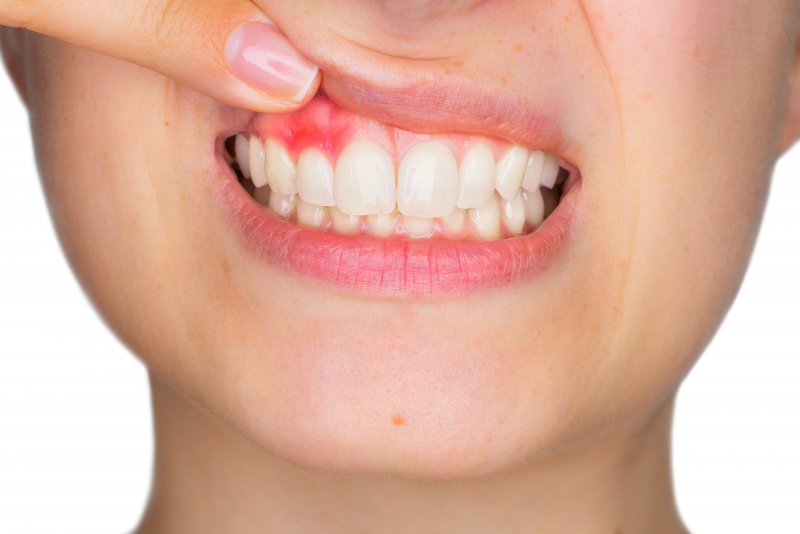
If your gums are bleeding, it’s an indication that there’s a problem somewhere in your mouth. It might be due to the buildup of plaque, or it could be the early signs of periodontal disease. While it’s good to check in with your dentist if you notice your gums are bleeding, there are some things you can do at home before making the call. So, here are some of our top tips for reducing gum inflammation that will also help to improve the health of your teeth and gums.
Practice good dental hygiene
Bleeding gums is a sign that you’re not giving your teeth the attention they require. When plaque builds up along your gum lines, it causes them to inflame. Brushing your teeth twice a day and flossing at least once will reduce the buildup of plaque in your mouth. You should also visit the dentist at least two times a year to make sure your bleeding gums aren’t anything more serious.
Use a mouthwash product
Antibacterial mouthwash is an effective way of reducing the buildup of plaque in your gums. In fact, a study discovered that people who use hydrogen-peroxide mouthwash are less likely to suffer from inflamed gums than those who don’t use it. So, adding a hydrogen peroxide-based mouthwash to your daily dental routine can have a positive impact on the health and wellbeing of your teeth and gums.
Monitor your vitamin levels
If you’re deficient in any of the key nutrients that your body needs to thrive, you’re more susceptible to gum infections. In particular, foods that are rich in Vitamin C can help prevent bleeding gums, so adding more sources of Vitamin C to your diet is helpful. The likes of oranges, sweet potatoes, and carrots are all great sources of this integral nutrient. What’s more, people with a Vitamin K deficiency have been found to suffer more frequently from bleeding gums, so enriching your diet with the likes of kale, spinach, and mustard greens is also a good move.
Quit smoking
Smoking is one of the primary causes of gum disease and is extremely bad for the health of your teeth and gums more generally. The reason for this is that smoking lowers your body’s immune system, making it more difficult for you to fight off the buildup of plaque and other bacteria. Granted, quitting smoking isn’t easy, but it will result in a huge improvement in the health of your teeth and gums, as well as a broad range of other health benefits.
Manage your stress levels
Studies have found that there’s a correlation between high levels of emotional distress and periodontal disease. Primarily, this is because stress levels inhibit your body’s ability to fight off specific diseases. Therefore, practising mindfulness meditation and actively taking steps to reduce your stress levels can also benefit the health of your teeth.
When’s it time to see a dentist?
If the bleeding of your gums doesn’t ease within a week, we’d recommend scheduling an appointment with a dentist. For most patients, a deep clean of your teeth to remove plaque and tartar will be sufficient and leave you with much healthier gums and teeth as a result. Your dentist will also advise you on how to improve your dental hygiene going forward, which will help you guard against gum inflammation in the future.
 Tips & advice for living healthiest life