
Your eyes are among the most important organs in your body. That’s why it’s important to take good care of them.
There are several ways you can improve your eye health, from wearing sunglasses on sunny days, to getting a comprehensive eye exam.
A comprehensive eye exam will help your eye doctor detect any signs of eye disease as early as possible. Regular eye exams can also diagnose eye diseases like glaucoma and macular degeneration before symptoms start, allowing early treatment and slowing vision loss.
If you are planning to see an eye specialist for a comprehensive eye exam for the first time, you may want to know what to expect. In this article, we will outline the steps of a comprehensive eye exam, from booking the appointment to what to expect during the exam itself.
What a Comprehensive Eye Exam Involves
Depending on your age, health, and your eye doctor’s assessment, you may receive additional tests or a different order of tests than someone else.
● Your Eye Health History
An evaluation of your health history is the first step in any comprehensive eye exam and the information you share here is completely confidential. Your eye doctor needs this information to best determine your risk factors and determine what further tests are required. You will be asked about any medications you are currently taking, previous eye conditions you have been treated for, any allergies you have, and your overall health.
You will also be asked about your vision – do you have trouble reading signs, do you have difficulty driving at night, do you have trouble with colors or contrast, are you experiencing double vision or headaches, do you have trouble with depth perception.
● Visual Acuity
This is the basic vision test that is done at the beginning of every eye exam. It assesses how well you see at various distances. This test will be done with one eye closed. A series of letters will appear on a card, usually starting with the largest and getting progressively smaller. You will be asked to identify the letter that you see.
The results are in a ratio of 20/20 or 20/40. If your results are 20/20, then you have good vision. If the result is 20/40, it means that you can only see at 20 feet what a person with normal vision can see from a distance of 40 feet.
● Refraction
Refraction is the means by which a doctor determines your eyeglasses prescription.
● Color Blindness Test
The doctor will ask you to look at different colored dots, bars, or shapes to see if you can tell the difference between them. If you have trouble picking out a certain color, this may indicate that you have trouble seeing that color. Red-green color blindness is the most common form of color blindness, but it is possible to have trouble telling certain colors apart and not have a red-green color deficiency.
● Glaucoma
This is a test that the doctor will perform to check the pressure in your eye. It helps identify any signs of glaucoma. Glaucoma is an eye disorder that causes damage to the optic nerve. It can cause irreversible vision loss if not treated early. It can be managed through glaucoma treatment.
● Signs Of Aging
During a comprehensive eye exam, your eye doctor will also check your eyes for signs of aging. As you get older, your eyes will start to produce less moisture. This can lead to vision problems, such as dry eyes.
● Slit Lamp Exam
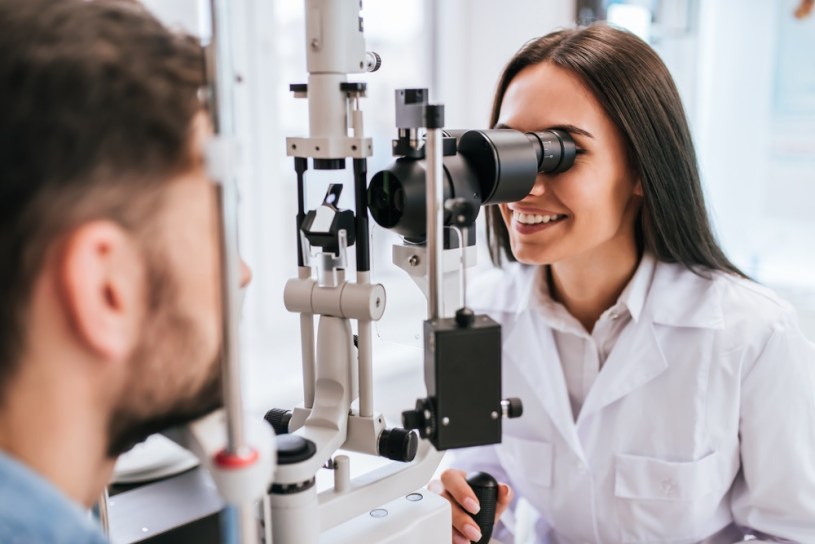
Here, the ophthalmologist will examine the structure of your eyes, including the iris, eyelids, cornea, conjunctiva, retina, optic nerve, and lens.
Why You Need To Have Comprehensive Eye Exams Regularly
Through a comprehensive exam, eye problems can be detected early enough and fixed before they become severe. Some of the most eye-threatening diseases include macular degeneration, cataracts, glaucoma, diabetic retinopathy, etc.
Surprisingly, a host of other systemic diseases can be detected and addressed via a comprehensive eye exam. Blood clots, plaques that may indicate imminent stroke, brain tumors, diabetes, MS, autoimmune diseases such as Lyme disease, are all conditions that can often be detected in a comprehensive eye exam by an experienced ophthalmologist.
 Tips & advice for living healthiest life